 10–60 €
Roman travertine objects in Rome
AI summary
Roman travertine objects capture the material essence of the Eternal City: the same pale stone that for centuries has built its monuments, squares, and fountains. Shaped by local artisans into simple, contemporary forms, travertine preserves its beige‑ivory tones and porous texture that make each piece unique. It is a discreet yet deeply symbolic souvenir, capable of connecting everyday life with the grand history of Roman architecture. Bringing one home means preserving a small fragment of the very material from which Rome was built.
- Da portare a casa
- Design minimalista
- Materiali autentici
- Artigianato locale
Editorially verifiedartigianato
Verified shops arrive in the app
More crafts from Rome



The product
What Roman travertine objects is
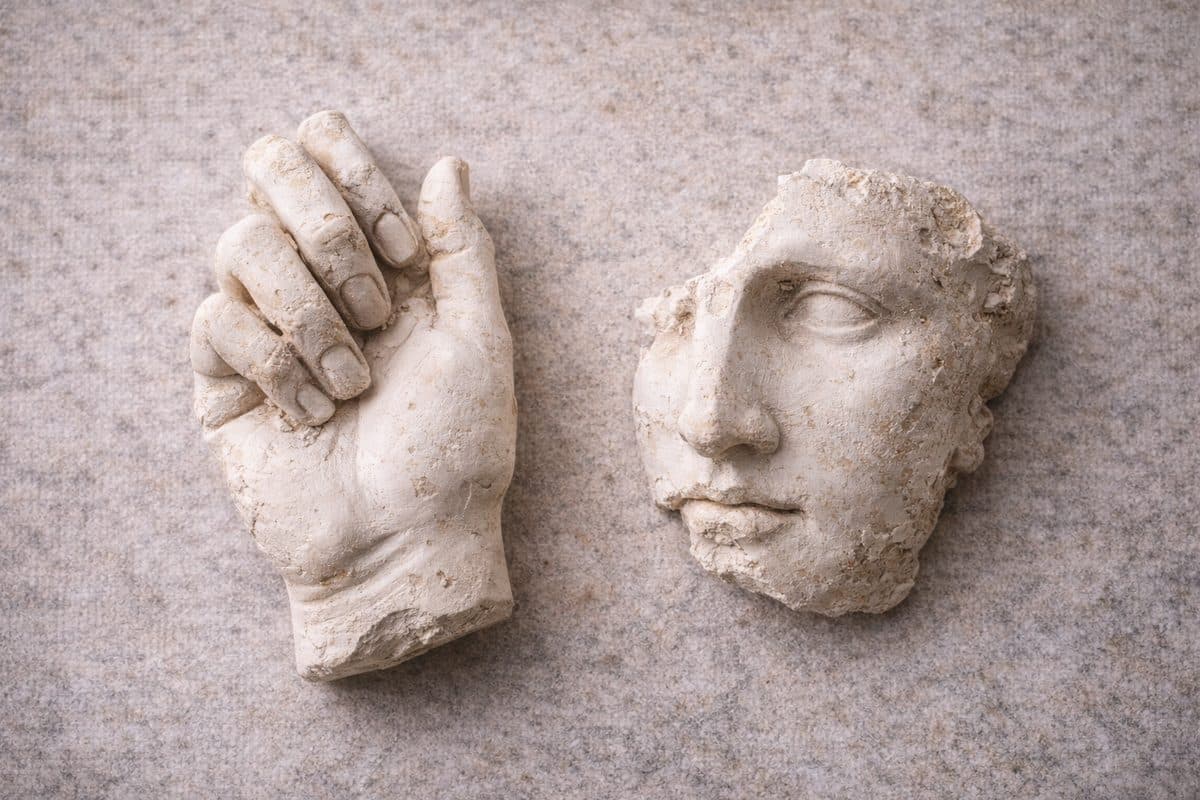
Small objects made from travertine, the light limestone that defines many of Rome’s most famous monuments. Artisans and stone workshops shape it into bookends, candle holders, coasters, small models, or minimalist decorative elements. Its porous surface and beige‑ivory tones make each piece slightly different from the others. Even in the simplest forms, it retains the solid, luminous appearance typical of Roman architecture.
The roots
Origin and history
Travertine historically comes from the quarries of Tivoli, just a few kilometers from Rome, which were already exploited in Roman times. The Romans chose it for its durability and for being easier to work than many other stones. Many monumental buildings of the Empire were constructed with this material, including the Colosseum in the 1st century AD. Over time, the tradition of quarrying and stone craftsmanship in Lazio has continued, and today part of this production is also transformed into small handcrafted objects.
This object tells the story of Rome through its most iconic stone. It reminds us that the city is made not only of monuments but also of materials, quarries, artisans, and techniques that span centuries. It is a small symbolic fragment of Rome’s solidity and historical continuity.
The context
Cultural significance
Travertine is one of the most recognizable materials of both ancient and modern Roman architecture. It is the stone of the Colosseum, much of St. Peter’s Basilica, and numerous palaces and fountains throughout the city. Using it for domestic objects creates a direct link between the material of monumental architecture and everyday life. Bringing home a travertine object means keeping a symbolic fragment of the very stone that shaped the image of Rome.
Content reviewed by Trouvenir against provenance and cultural-context criteria.
Where to buy
Where to find Roman travertine objects in Rome
They can be found in craft and design shops near the monumental areas, especially between the historic center, Prati, and the artisan shops around the Vatican. Some workshops that work with Lazio stone sell small objects directly in their showrooms. In museums and bookshops at archaeological sites, you can sometimes find more refined versions or pieces inspired by Roman monuments.
Get the full verified list - map, hours, reviews - for Roman travertine objects in Rome.
AI Scanner · Free
Not sure your Roman travertine objects is the real deal?
Upload a photo of the Roman travertine objects you found: the AI compares it against Trouvenir's verified souvenir database and returns origin, history and provenance.
Verify with AIFree download
Take Trouvenir with you
iOS and Android. Free.
Privacy-firstCross-device syncOffline ready