 40-200
Artisanal jewelry inspired by ancient Rome in Rome
AI summary
Artisanal jewelry inspired by ancient Rome reinterprets millennia-old symbols through a contemporary lens, transforming laurels, seals and stylized coins into refined, essential ornaments. Created in the city’s workshops and ateliers, these pieces do not imitate archaeology but engage in dialogue with it, translating the balance and strength of Roman aesthetics into objects meant to be worn today. Each piece evokes an idea of permanence and restraint, where the symbol matters more than ornament. Bringing one home means keeping a fragment of Roman culture—subtle yet rich in history.
- gioielli
- artigianato romano
- design ispirato all'antica Roma
Editorially verifiedartigianato
2 verified shops curated by our editors
More crafts from Rome


The product
What Artisanal jewelry inspired by ancient Rome is
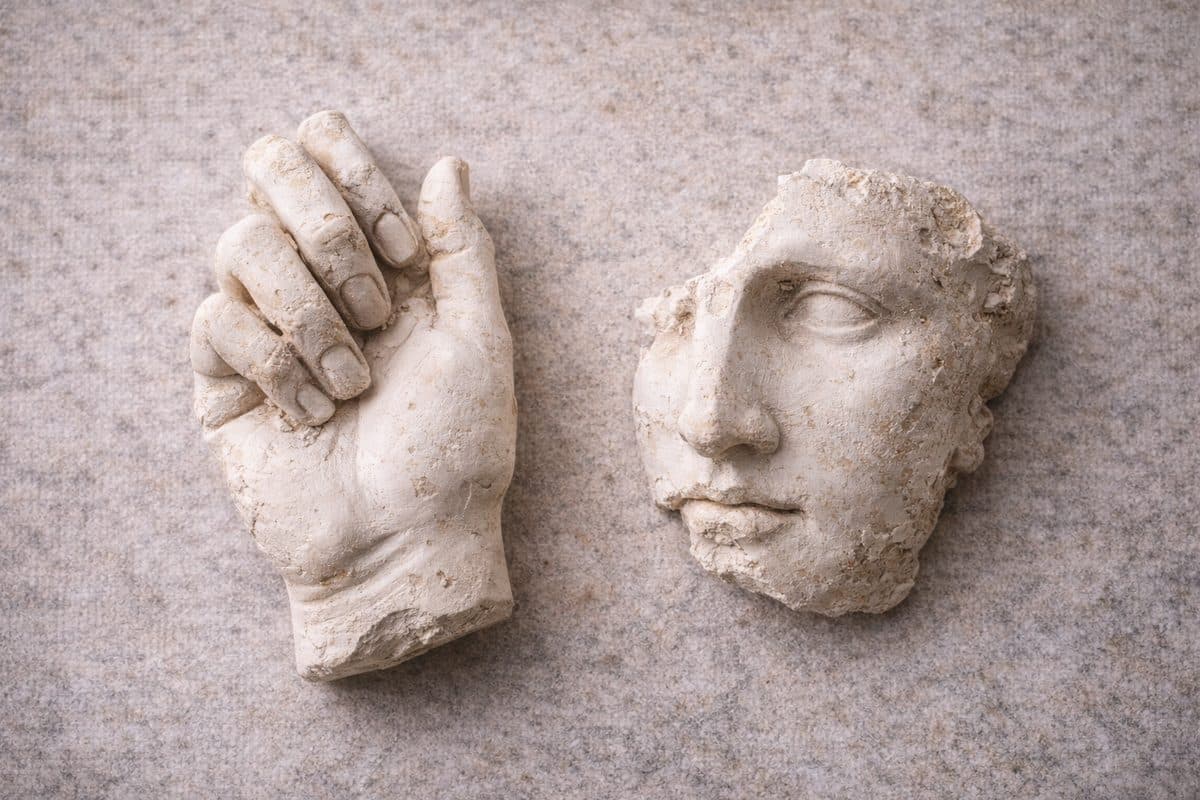
Rings, pendants, bracelets and small ornaments created by contemporary artisans who reinterpret symbols and forms of ancient Rome. The most common motifs include laurel leaves, stylized imperial profiles, reimagined coins, seals and classical geometries. They are not archaeological replicas, but modern objects that engage with the Roman visual language. They are often made in silver, bronze or brass with deliberately understated finishes. The result is discreet jewelry designed to be worn every day.
The roots
Origin and history
Jewelry was widespread in everyday life in ancient Rome, both among elites and ordinary citizens. Signet rings, fibulae, cameos and pendants were used as markers of identity, protection or status. Many of these objects have been found in archaeological excavations across the city and today form part of Rome’s museum collections. During the twentieth century, several Italian artisans and designers began reinterpreting these ancient motifs in a modern key. In Rome this approach has taken root in small ateliers that translate classical symbols into contemporary jewelry.
This object tells the story of how Rome is not only a place of ruins, but a visual language that continues to be reinterpreted. Symbols from antiquity can live on in new forms without losing their cultural weight. Carrying it with you is a reminder that the city is built on layers of time, still present in its design and craftsmanship.
The context
Cultural significance
The aesthetic of these pieces echoes the Roman idea of balance between function, symbol and durability. In ancient Rome many ornaments carried social or personal meanings: signet rings, protective amulets, symbols of victory or belonging. Contemporary reinterpretations do not reproduce those roles, but they retain the visual language of solidity and restraint typical of Roman culture. Wearing them means engaging with an aesthetic tradition that values clear form and essential symbolism. They are small objects that evoke the continuity between ancient Rome and the modern city.
Content reviewed by Trouvenir against provenance and cultural-context criteria.
Where to buy
Where to find Artisanal jewelry inspired by ancient Rome in Rome
They can be found mainly in small artisan jewelry workshops in central neighborhoods such as Monti, Trastevere and the streets around the Pantheon. Some contemporary ateliers offer collections inspired by Roman archaeology but reinterpreted through minimalist design. They can also be found in craft galleries and shops that curate local designers. In some cases the jewelry is made directly in workshops visible from the street, continuing a deeply rooted artisanal tradition in Rome.
Get the full verified list - map, hours, reviews - for Artisanal jewelry inspired by ancient Rome in Rome.
AI Scanner · Free
Not sure your Artisanal jewelry inspired by ancient Rome is the real deal?
Upload a photo of the Artisanal jewelry inspired by ancient Rome you found: the AI compares it against Trouvenir's verified souvenir database and returns origin, history and provenance.
Verify with AIFree download
Take Trouvenir with you
iOS and Android. Free.
Privacy-firstCross-device syncOffline ready