 10-60 €
Casts inspired by ancient Rome in Rome
AI summary
Casts inspired by ancient Rome transform archaeological masterpieces into small objects to enjoy every day. Imperial busts, classical deities, and fragments of statues evoke the atmosphere of the museums and ruins that make Rome unique in the world. This tradition began in European academies and plaster cast galleries, where copies were used to study and spread classical art. Taking one home means preserving a fragment of Roman imagery and keeping the dialogue between the present and antiquity alive.
- Per amanti dell’arte
- Decorazione culturale
- Ispirazione classica
- Ricordo archeologico
Editorially verifiedartigianato
3 verified shops curated by our editors
More crafts from Rome


The product
What Casts inspired by ancient Rome is
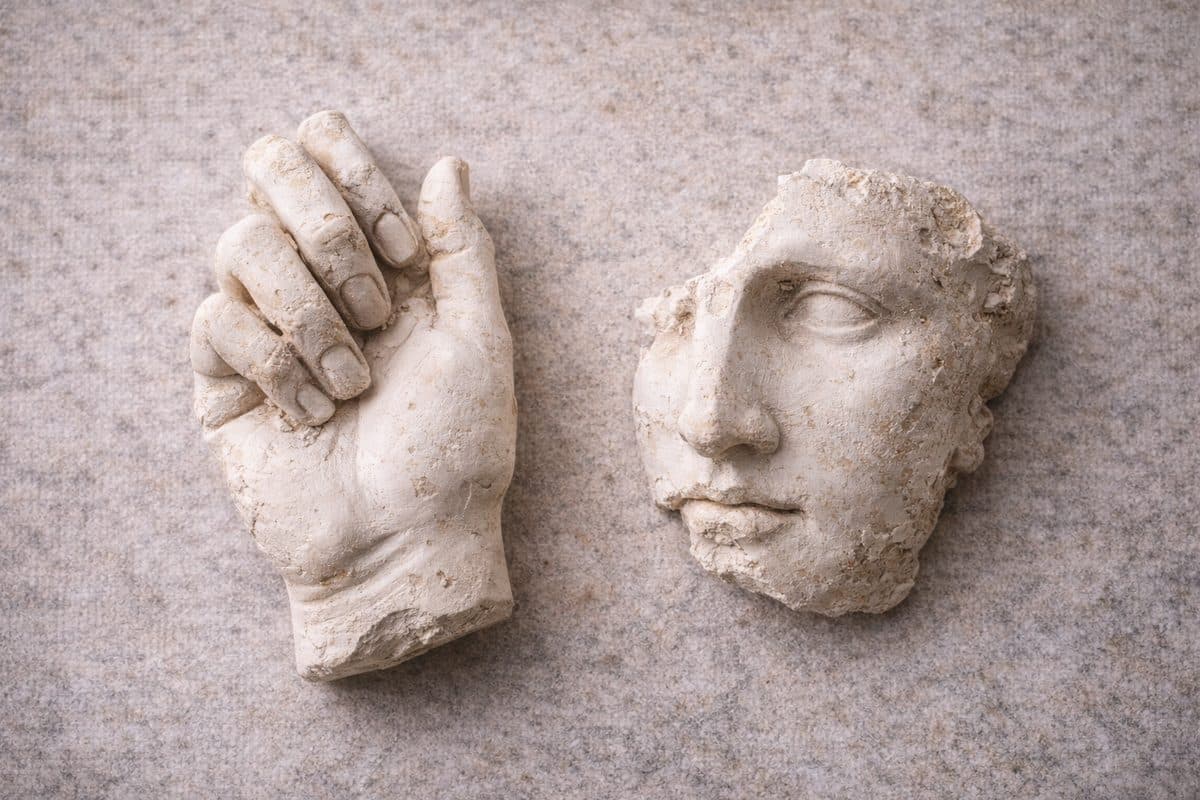
Casts inspired by ancient Rome are small reproductions made of plaster, resin, or alabaster powder of famous sculptures and archaeological finds. They may depict imperial busts, heads of classical deities, fragments of reliefs, or details of renowned statues preserved in Roman museums. They are often small in size, designed to be displayed on a desk or bookshelf. Their deliberately “marble-like” appearance recalls the aesthetic of archaeological museums and collections of antiquities.
The roots
Origin and history
The practice of making plaster casts from ancient sculptures spread widely across Europe between the 17th and 19th centuries. In Rome, artists, archaeologists, and academies produced copies for collectors, students, and foreign museums that wished to study classical art without moving the originals. Large cast collections and plaster cast galleries were created in this educational and scientific context. The small casts sold to visitors today are a popular version of that tradition: objects that transform an archaeological masterpiece into something portable and domestic.
A cast is a reminder that the art of ancient Rome continues to live through copies, study, and reinterpretation. It carries the idea that classical masterpieces belong not only to museums but also to people’s everyday cultural life. Keeping a small replica at home means taking part in a long European tradition of studying and admiring the ancient world. It is a simple way to keep the dialogue between the present and the classical world alive.
The context
Cultural significance
The cast has long been a fundamental tool for the study and dissemination of classical art. From the Renaissance onward, and especially between the 18th and 19th centuries, plaster casts of ancient sculptures were used in European art academies to teach proportion, anatomy, and classical style. Rome, with its enormous concentration of ancient statues, became one of the main centers for the production and circulation of these models. Owning a cast—even in souvenir form—evokes this long tradition of studying and admiring antiquity.
Content reviewed by Trouvenir against provenance and cultural-context criteria.
Where to buy
Where to find Casts inspired by ancient Rome in Rome
They are mainly found in the bookshops of Rome’s archaeological museums, such as the Capitoline Museums or the Vatican Museums, where authorized reproductions of famous works are sold. They are also common in souvenir shops near the Colosseum, the Roman Forum, and the Pantheon. Some workshops and studios specializing in artistic reproductions offer more refined versions or pieces made using traditional casting techniques.
Get the full verified list - map, hours, reviews - for Casts inspired by ancient Rome in Rome.
AI Scanner · Free
Not sure your Casts inspired by ancient Rome is the real deal?
Upload a photo of the Casts inspired by ancient Rome you found: the AI compares it against Trouvenir's verified souvenir database and returns origin, history and provenance.
Verify with AIFree download
Take Trouvenir with you
iOS and Android. Free.
Privacy-firstCross-device syncOffline ready