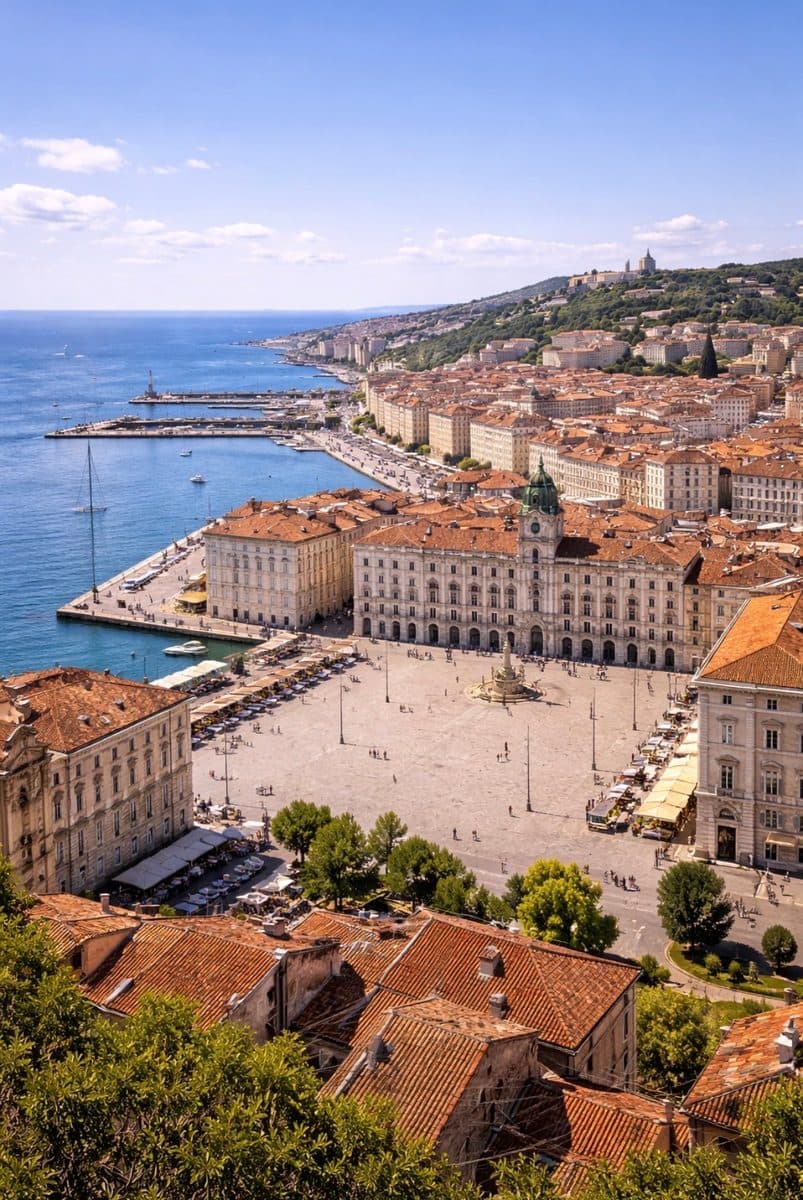
Trieste is one of Italy's destinations with the deepest artisanal and gastronomic traditions. Every product here reflects the area's history, craftsmanship, and culture — something you won't find elsewhere with the same character.
This guide collects distinctive souvenirs selected by the Trouvenir app for Trieste: distinctive objects and specialties that truly capture the soul of the city, far from tourist stalls and mass-produced items. For each souvenir you'll find cultural context, price ranges, and where to buy with confidence.
1. Book of the Trieste Literary Tradition
🏺 Craftsmanship
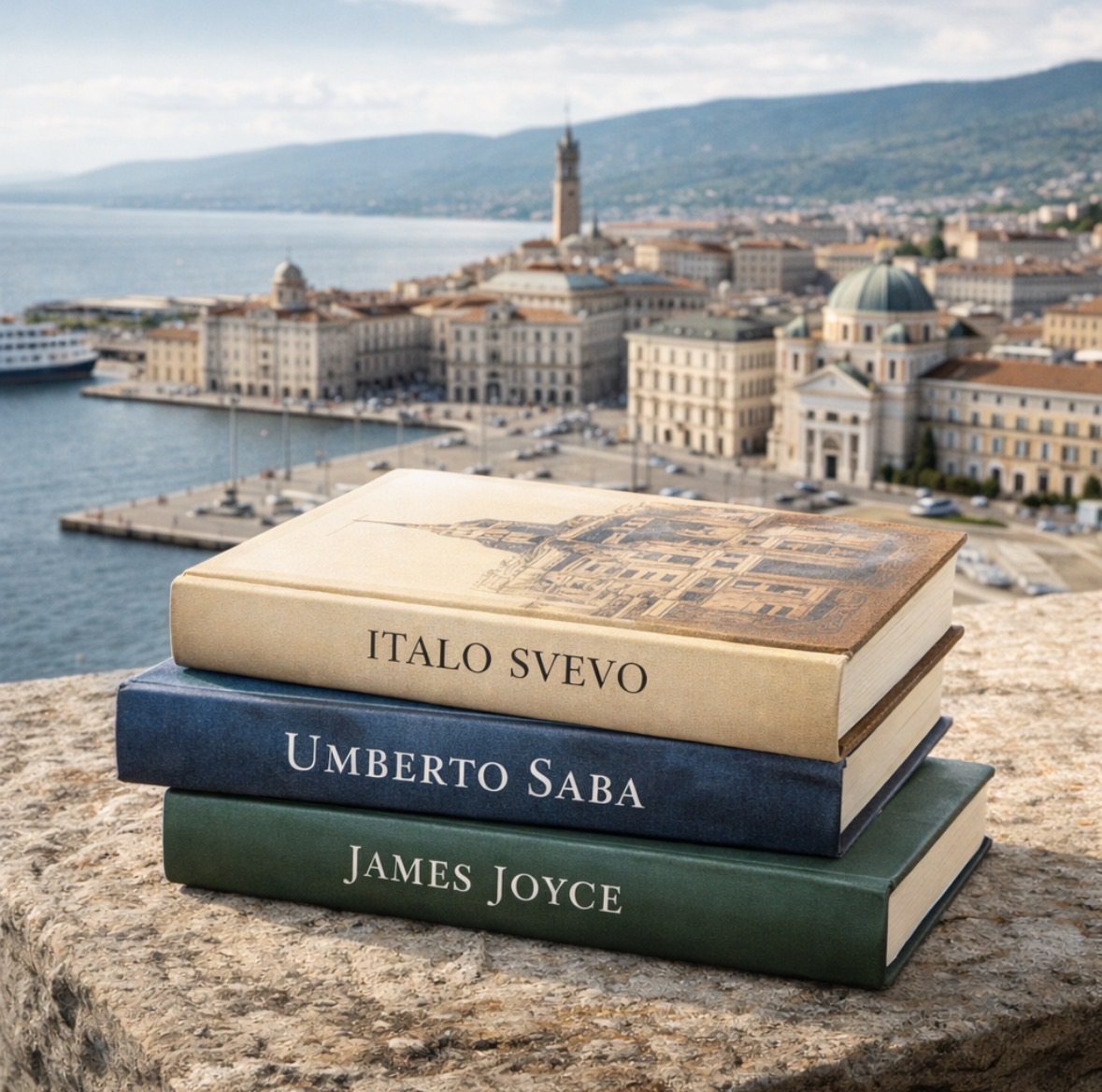
The book of the Trieste literary tradition is a work connected to the writers who shaped the city’s cultural identity. Among them are Italo Svevo, Umberto Saba, James Joyce, Scipio Slataper, and Claudio Magris—authors who lived in Trieste or portrayed its landscape, society, and cultural life.
Their works are deeply connected to the urban context and reflect Trieste’s role as a meeting point between different cultures. The book appears as a printed and bound volume, often in carefully curated editions intended for reading and preservation.
It represents a direct gateway into the Trieste literary tradition and preserves the bond between the city and its cultural production.
Why it's special
The book represents the role of written culture in shaping Trieste’s identity. It is the result of a tradition that transformed the city into a space of cultural production and exchange.
It expresses the connection between place, thought, and literary creation.
History
Between the late 19th and the 20th centuries, Trieste became a literary center of great importance. The city hosted and inspired writers who contributed to European literature, encouraging the spread of works closely tied to the regional context.
The presence of publishers, bookstores, and vibrant cultural circles supported literary production and circulation, making the book one of the central elements of the city’s cultural life.
Even today, the city’s publishing and literary tradition remains an integral part of Trieste’s identity.
Price
€10-€30
Where to find it
Books from the Trieste literary tradition can be found in places connected to regional culture and publishing.
Trusted places
Independent bookstores in Trieste They sell works related to the regional literary tradition.
Historic city bookstores They offer editions connected to Trieste’s cultural heritage.
Regional museums and cultural spaces They feature publications related to the history and literature of the city.
Discover Book of the Trieste Literary Tradition on Trouvenir →
2. Triestine maritime devotional object
🏺 Craftsmanship
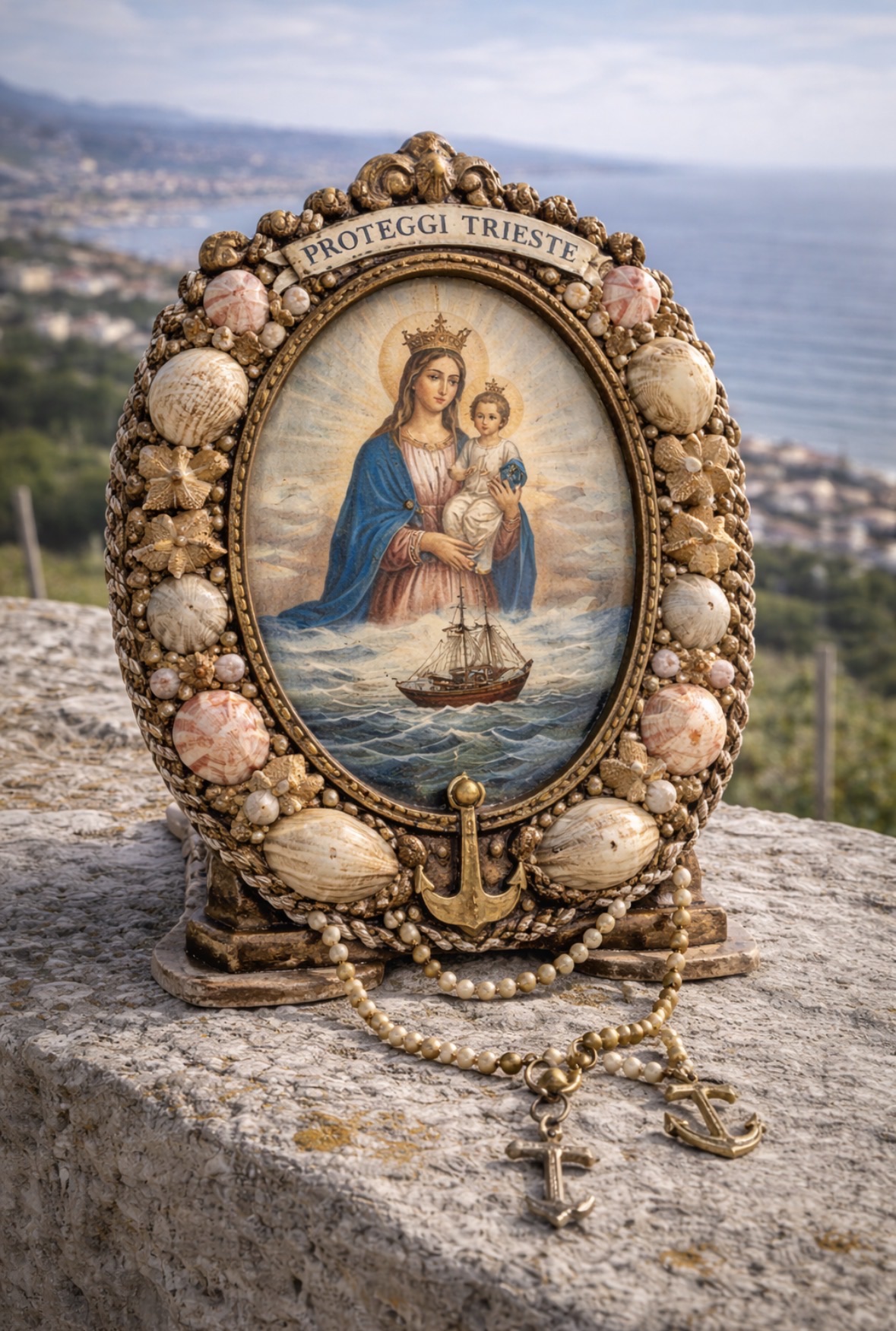
It is a small object connected to the devotion of seafarers, made of metal or wood. It may depict religious symbols associated with protection at sea. Its dimensions are modest, designed for the home or for travel. It is a discreet presence, created to accompany.
Why it's special
This devotional object tells the story of Trieste as a port community exposed to risk. It symbolizes a spirituality intertwined with navigation. It speaks of protection, shared trust, and a sense of belonging. In these objects lives the Triestine idea that the sea demands respect and awareness.
History
Maritime devotion has accompanied life in the port of Trieste for centuries. Sailors and families symbolically entrust their journeys to portable religious signs. These objects originated as tokens of protection and gratitude. Over time they became a stable part of the port’s domestic culture.
Price
€10-€40
Where to find it
Contexts linked to popular devotion Craft settings connected to maritime culture Traditional productions of the city of Trieste
Discover Triestine maritime devotional object on Trouvenir →
3. Carved Carso stone object
🏺 Craftsmanship
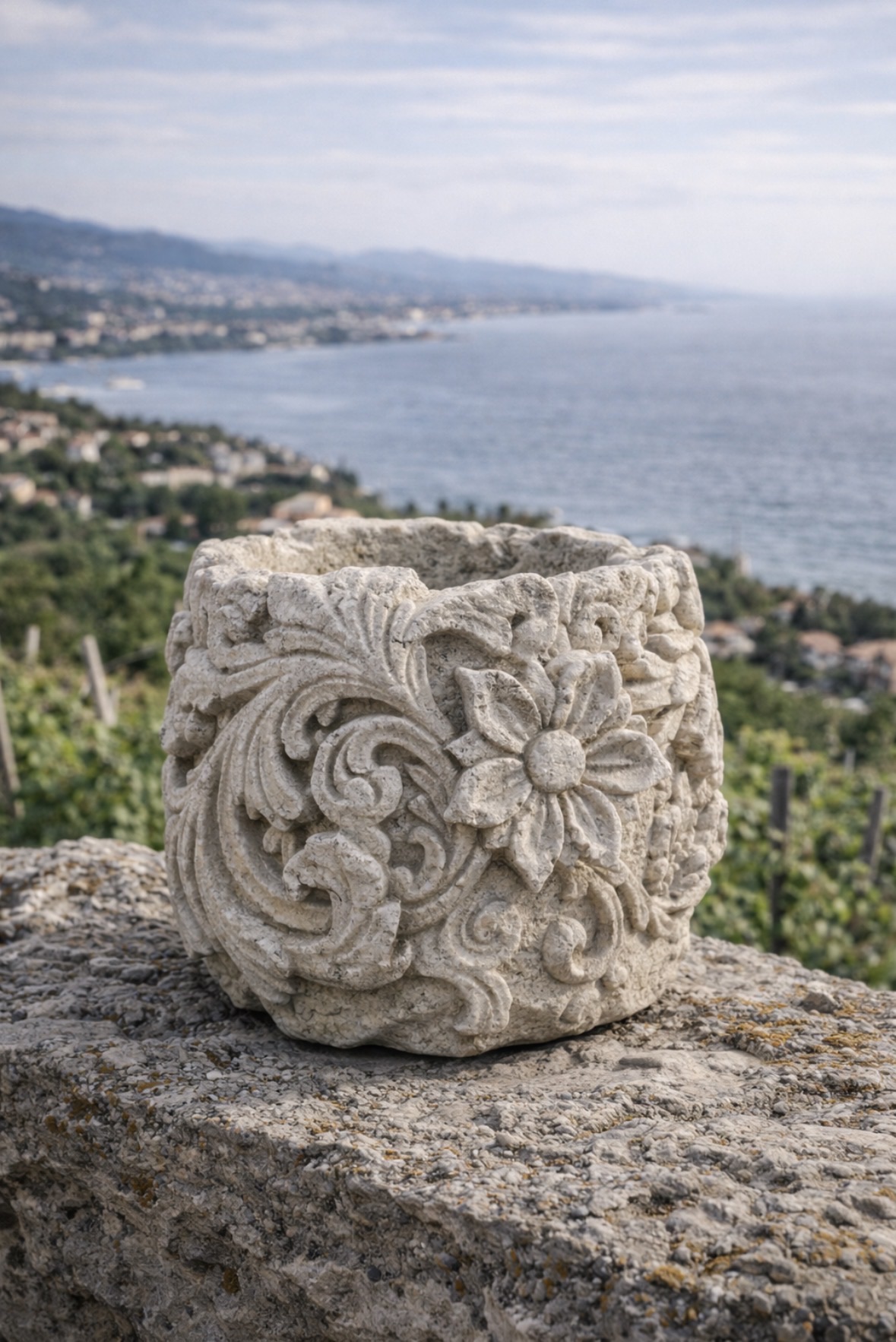
It is a small object made from the limestone of the Carso, polished or carved into essential shapes. The surface is matte, compact, crossed by natural veins. The forms prioritize function and stability. It is a fragment of landscape made domestic.
Why it's special
Carso stone tells the story of Trieste as a city built on the continuity of matter. It is the symbol of a landscape that is austere and coherent. It speaks of permanence, proportion, and resilience. In these objects lives the Triestine idea that the environment shapes character.
History
Stone from the Carso has been used for centuries in architecture and everyday objects. Quarries and artisanal craftsmanship sustain a long-standing tradition. The stone becomes an identity-defining element of Trieste’s built environment. Over time it has consolidated as a tangible sign of the bond between the city and the plateau.
Price
€25-€80
Where to find it
Artisan workshops connected to stone craftsmanship Regional productions in the Carso area around Trieste Artisan contexts closely tied to the territory
Discover Carved Carso stone object on Trouvenir →
4. Bound notebook or journal (commercial and port tradition)
🏺 Craftsmanship
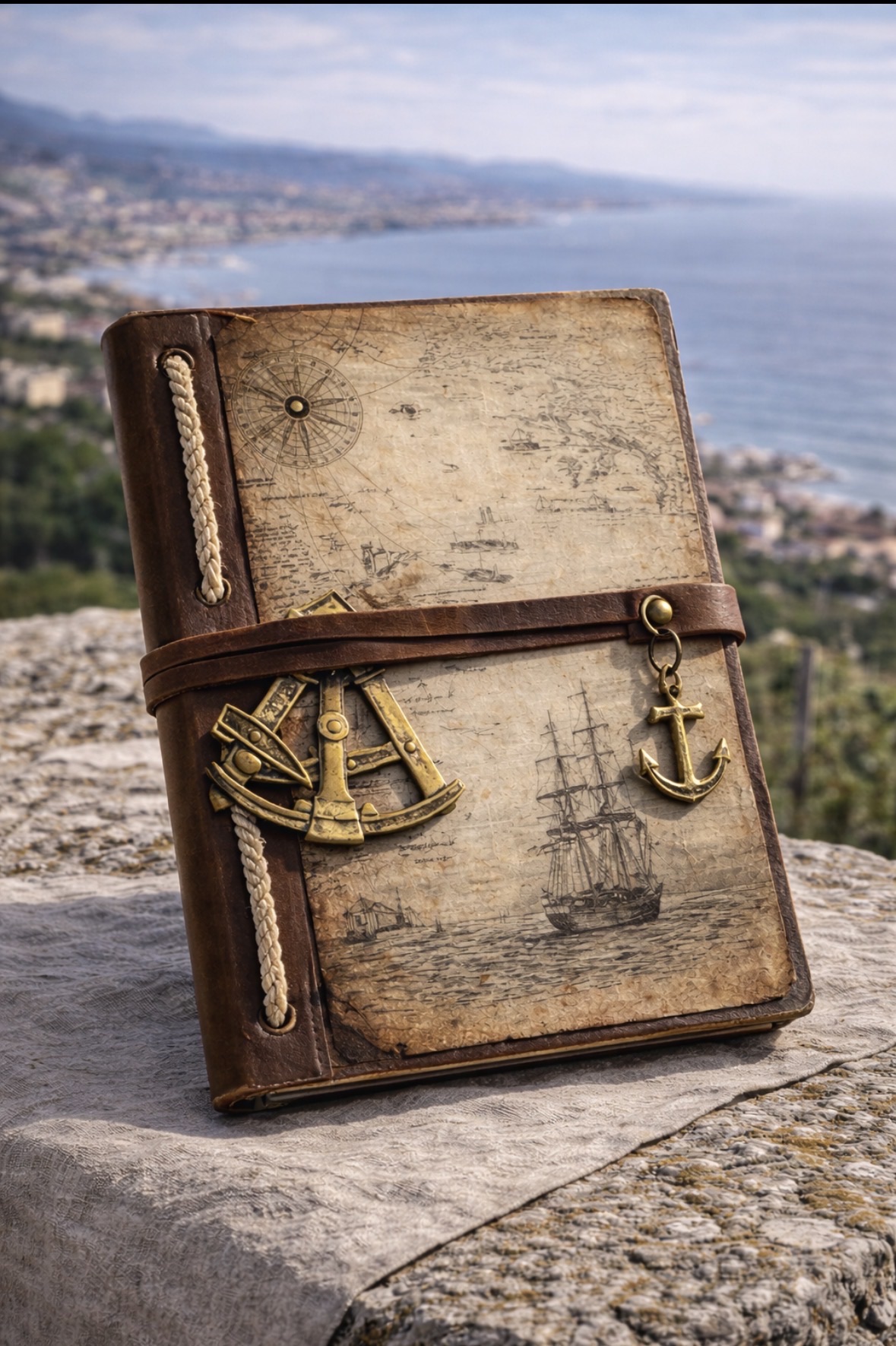
It is a hand-bound notebook with a sober cover and visible or hidden stitching. The paper is thick, designed for writing and continuous note-taking. The structure prioritizes durability and the ability to lie fully open. It is a tool built to accompany work and travel.
Why it's special
The notebook reflects Trieste as a city of record-keeping and exchange. It symbolizes a commercial culture that built its identity on accounts, notes, and routes. It speaks of observation, practical memory, and continuity of work. In this object lives the Triestine idea that writing gives shape to experience.
History
With the growth of the port between the 18th and 19th centuries, writing became a daily tool of Trieste’s commerce. Ledgers and notebooks accompanied trade and correspondence. The city’s bookbinding workshops supported this functional need. Over time, the notebook also entered the city’s personal and cultural life.
Price
€12-€45
Where to find it
Bookbinding workshops and artisan stationery shops Contexts connected to writing and graphic arts Urban productions from the city of Trieste
Discover Bound notebook or journal (commercial and port tradition) on Trouvenir →
5. Historical print or map of Trieste
🏺 Craftsmanship
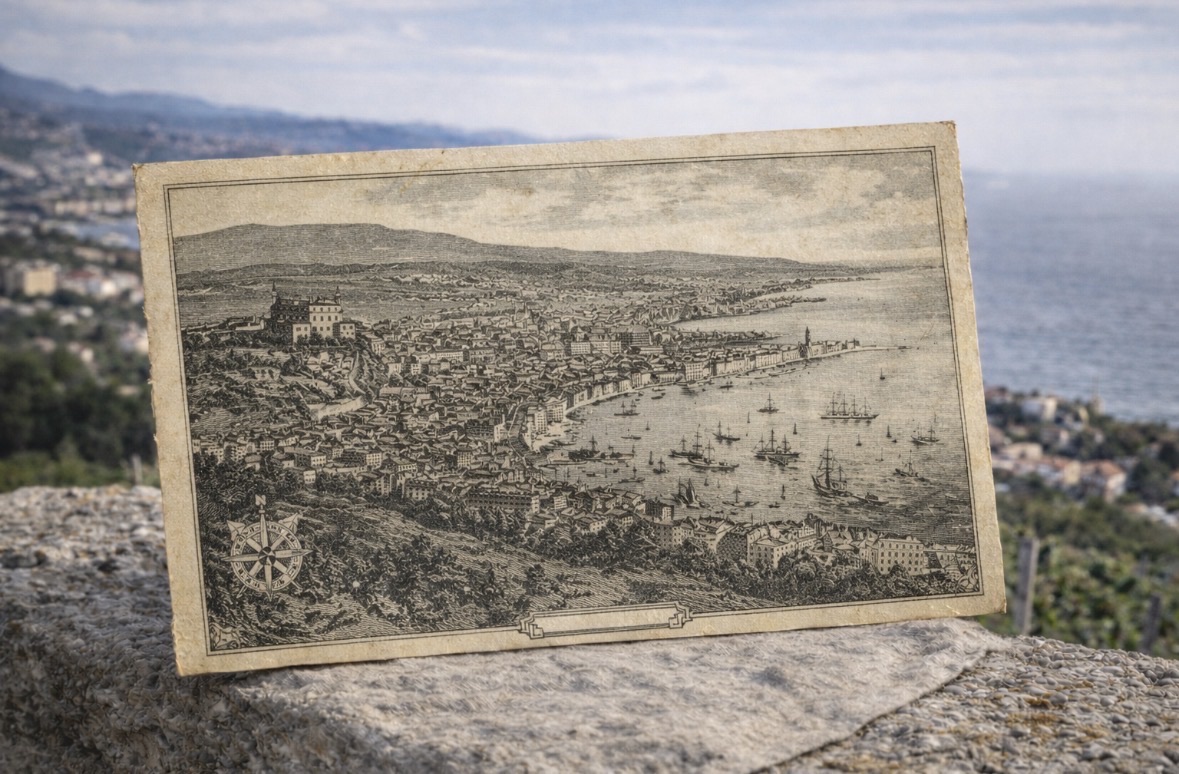
It is a print or map depicting the city and its port. The design is created to orient and describe space. Lines and names organize the landscape across a flat surface. It is an image meant to be read as a representation of the territory.
Why it's special
Cartography tells the story of Trieste as a city of orientation and exchange. It symbolizes a port that built its identity through routes. It speaks of navigation, commerce, and openness. Within these maps lives the Triestine idea that to know means to locate oneself in the world.
History
With the development of the free port in the eighteenth century, Trieste became a strategic center of cartography. Maps and city views were used to describe infrastructures and routes. Graphic production accompanied the city’s commercial growth. Over time, it formed a visual archive of its expansion.
Price
€25-€90
Where to find it
Printmaking and graphic studios Contexts connected to the cartographic tradition Cultural productions of the city of Trieste
Discover Historical print or map of Trieste on Trouvenir →
6. Triestine coffee in traditional blend
🍽️ Food Specialties
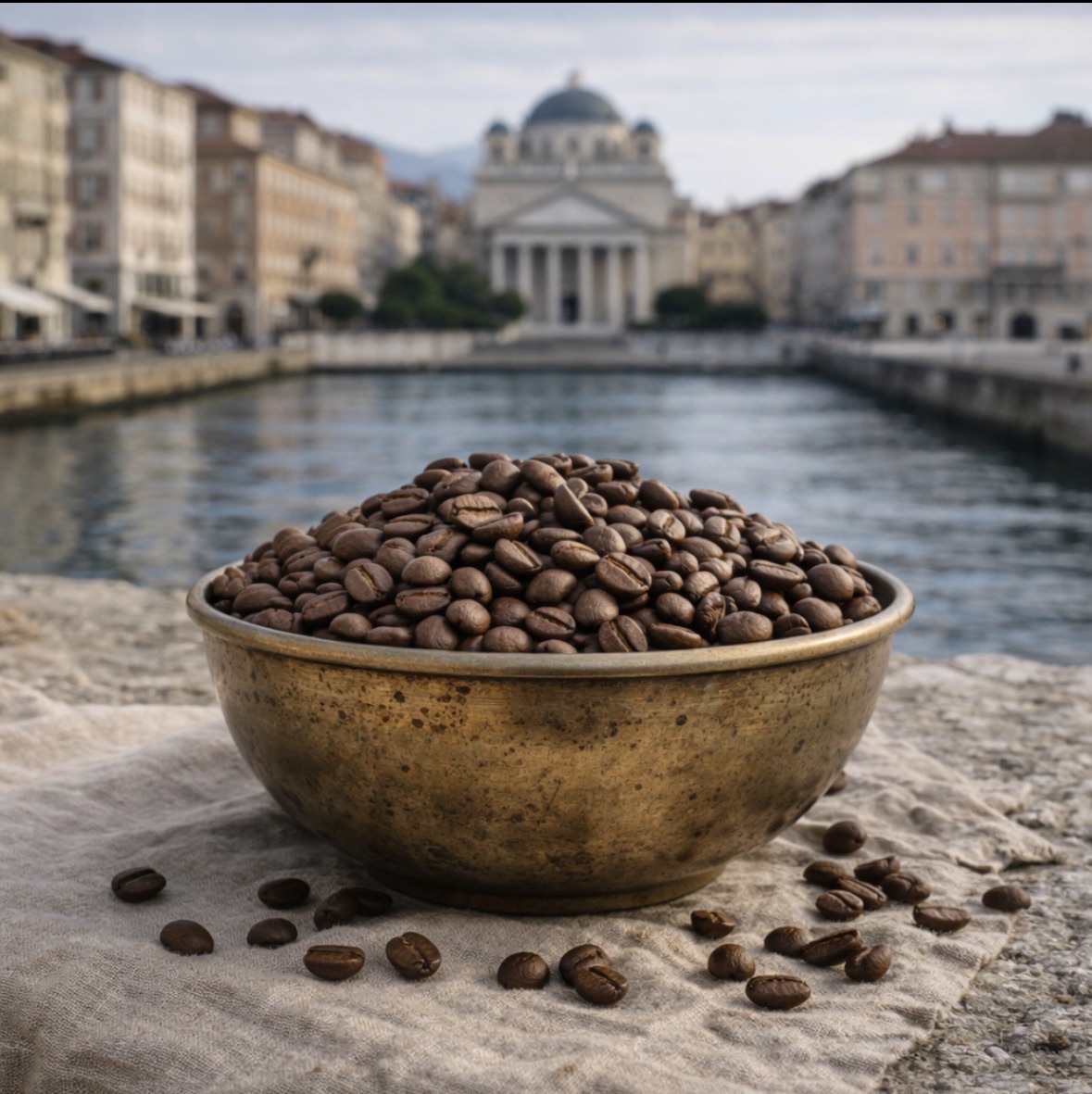
A blend of selected coffees roasted according to regional tradition. The profile is balanced, designed to highlight aroma and body. It comes from the meeting of commercial selection and a culture of taste. It is a product intended for everyday preparation.
Why it's special
Coffee tells the story of Trieste as a commercial port and city of exchange. It is the symbol of an urban culture built around places of encounter. It speaks of conversation, observation, and shared time. In this blend lives the Triestine idea that trade can generate culture.
History
From the eighteenth century, Trieste became one of the main European ports for coffee imports. The trade fueled the rise of roasting houses and historic cafés. The city developed its own vocabulary and rituals connected to the drink. Over time, coffee consolidated its role as a central element of urban identity.
Price
€8-€30
Where to find it
Traditional roasting houses Places connected to coffee culture Urban producers in the city of Trieste
Discover Triestine coffee in traditional blend on Trouvenir →
7. Carso Triestino Wine
🍽️ Food Specialties
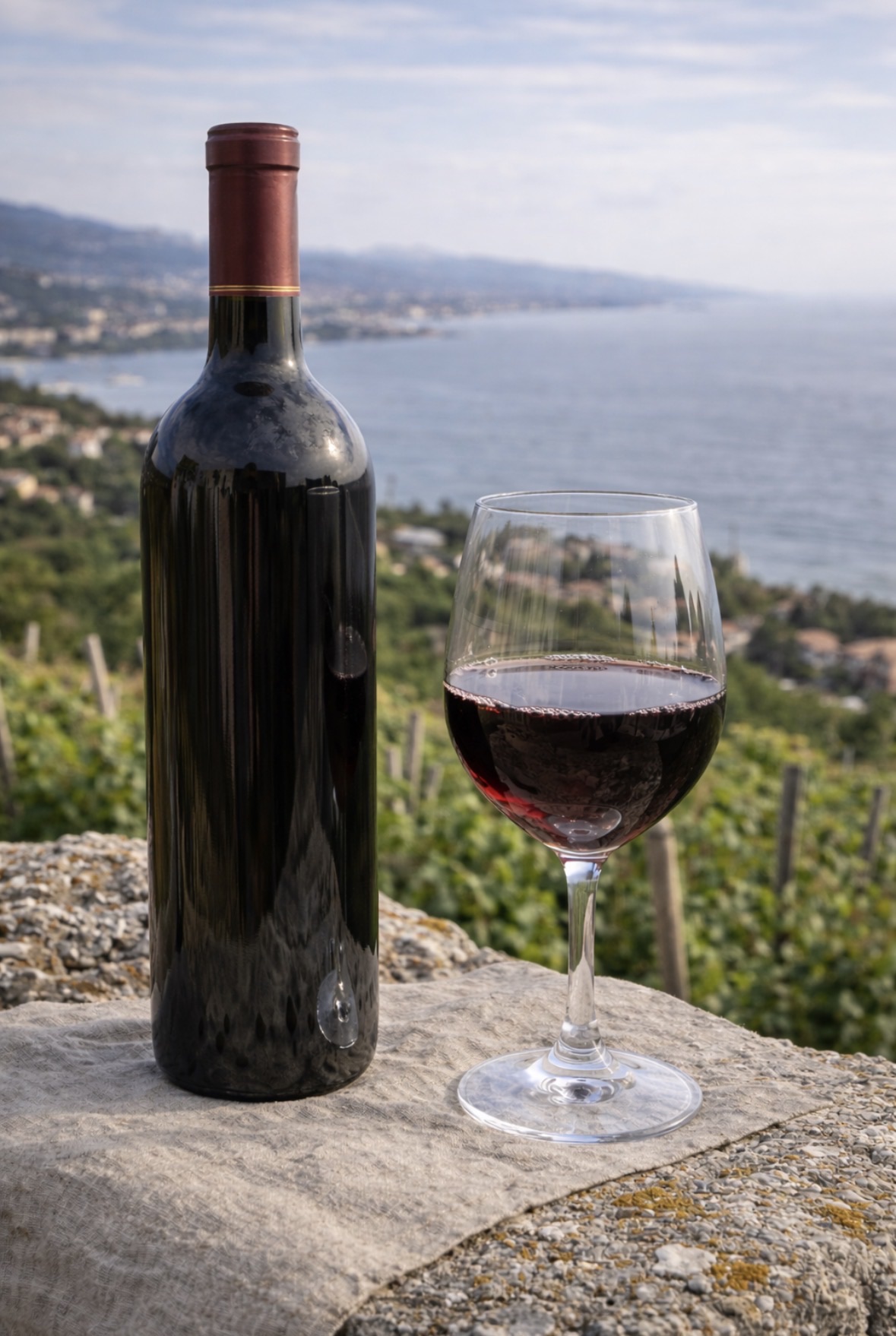
A wine produced on the limestone, windswept soils of the Carso plateau. Its profile is taut, mineral, and often dry. It comes from a style of viticulture adapted to poor soils and a harsh climate. This wine favors structure and precision.
Why it's special
Carso wine tells the story of Trieste as a border city between sea and plateau. It symbolizes a land that demands adaptation and balance. It speaks of resilience, of essentiality, of a direct relationship with nature. In this wine lives the Triestine idea that identity emerges from engagement with the landscape.
History
Viticulture in the Carso has been documented for centuries as a rural subsistence activity. Regional communities selected grape varieties capable of withstanding wind and drought. For a long time production remained limited and tied to regional consumption. Over time the wine became a recognized expression of the Trieste territory.
Price
€18-€60
Where to find it
Wineries on the Carso plateau Agricultural contexts in the area around Trieste The rural supply chain of the Carso
Discover Carso Triestino Wine on Trouvenir →
How to recognise a typical souvenir in Trieste
Typical products from Trieste are found in artisan workshops, neighbourhood markets, and directly from producers — not in tourist shops in the city centre.
Practical rule
if a product has no indication of origin, producer, or production method, it's probably not what it seems.
Use Trouvenir to find certified workshops near you, with details on products, prices, and provenance.