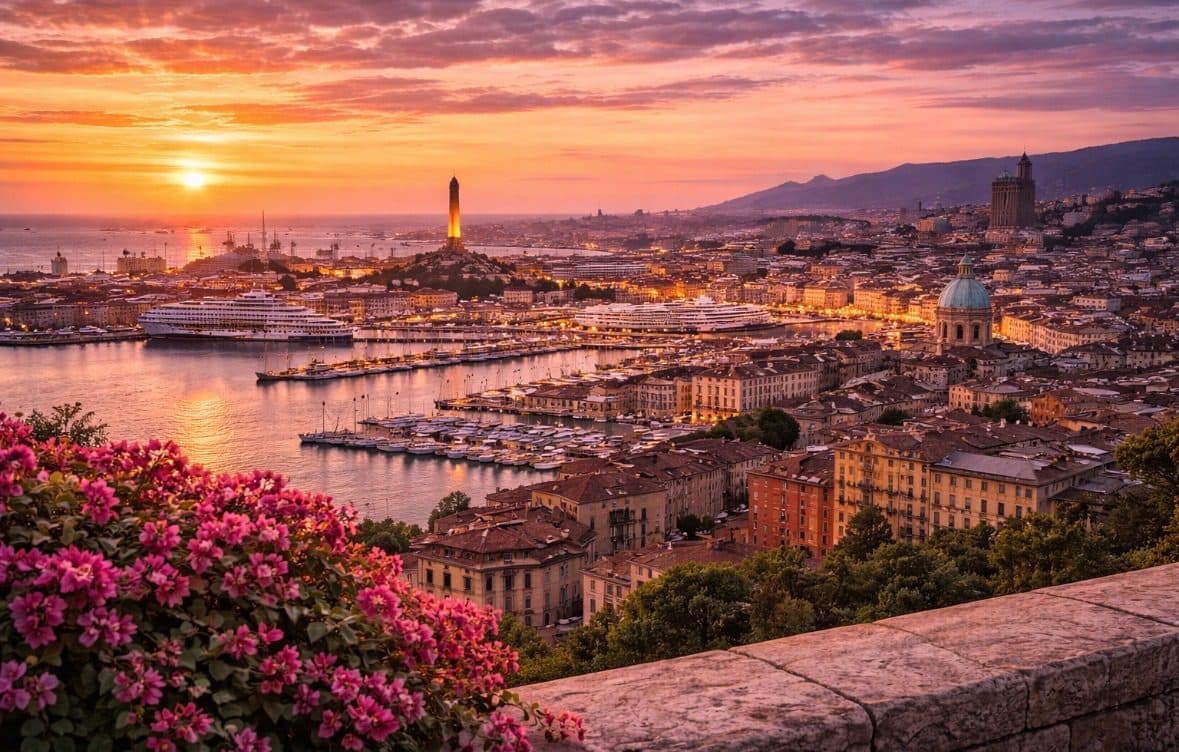
Genova is one of Italy's destinations with the deepest artisanal and gastronomic traditions. Every product here reflects the area's history, craftsmanship, and culture — something you won't find elsewhere with the same character.
This guide collects distinctive souvenirs selected by the Trouvenir app for Genova: distinctive objects and specialties that truly capture the soul of the city, far from tourist stalls and mass-produced items. For each souvenir you'll find cultural context, price ranges, and where to buy with confidence.
1. Brass nautical bell or small maritime object
🏺 Craftsmanship
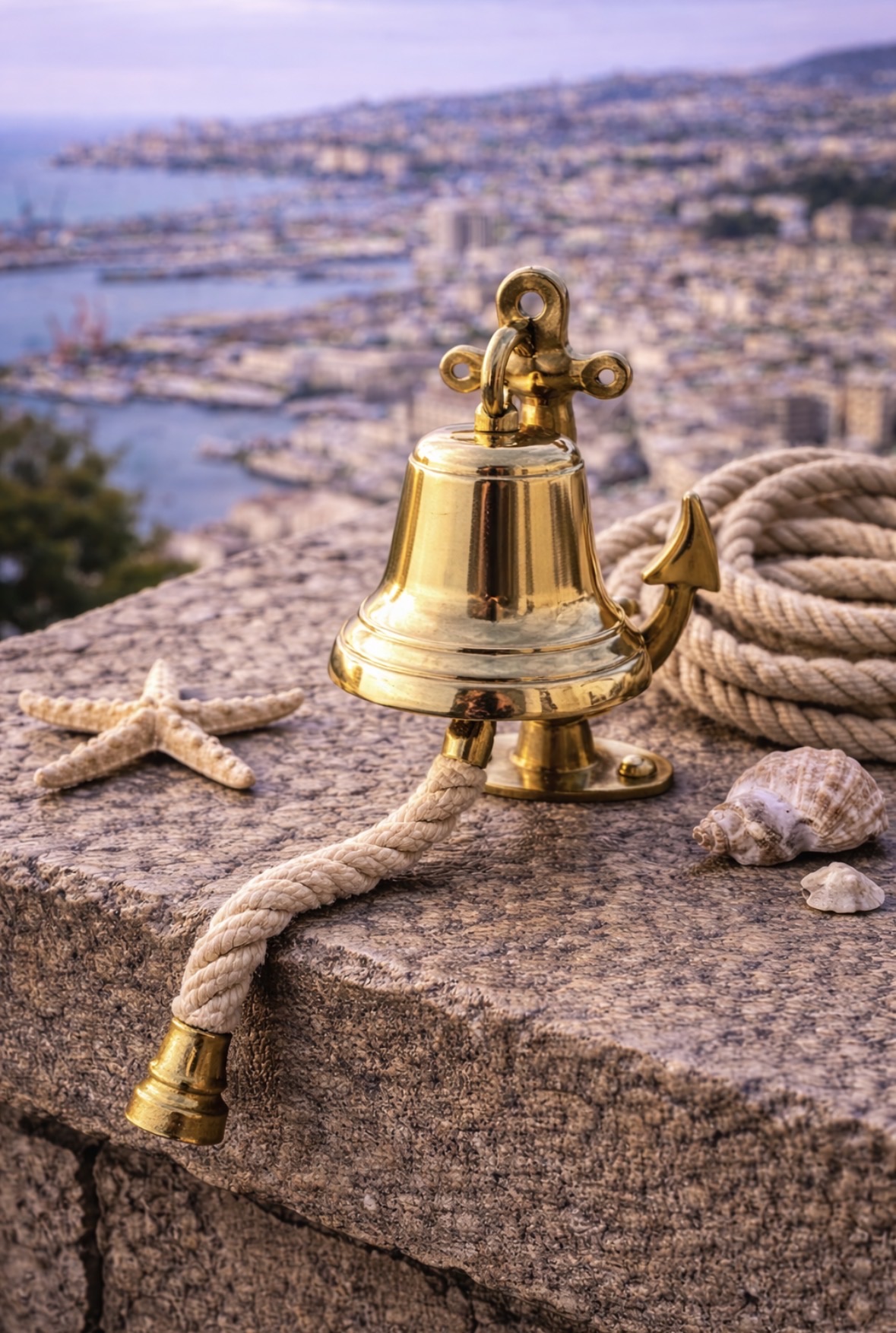
It is a small nautical object made of brass, often a bell, a signal device, or a piece of onboard equipment adapted for domestic use. The metal is solid and heavy, designed to withstand humidity and salt air. The surface often bears marks of use or of artisanal casting. When present, the sound is clear and controlled.
Why it's special
The nautical bell tells the story of a Genova governed by time and responsibility. It is the symbol of a city shaped by departures, watches, and rhythms imposed by the sea. It speaks of order, collective attention, and shared signals. In this object lives the Genovese idea that sound is not meant to attract attention, but to coordinate actions.
History
In maritime tradition, the bell is an essential instrument used to mark time on board and transmit signals. In Genova, a great Mediterranean port, these objects accompany the daily life of ships and shipyards. Made of brass to resist corrosion, they become reliable and long‑lasting tools. Over time, some of these objects enter domestic spaces as memories of maritime work.
Price
€40-€120
Where to find it
Metalworking artisan workshops Contexts connected to port culture Shops specializing in traditional nautical objects
Discover Brass nautical bell or small maritime object on Trouvenir →
2. Nautical chart or historical cartographic print
🏺 Craftsmanship
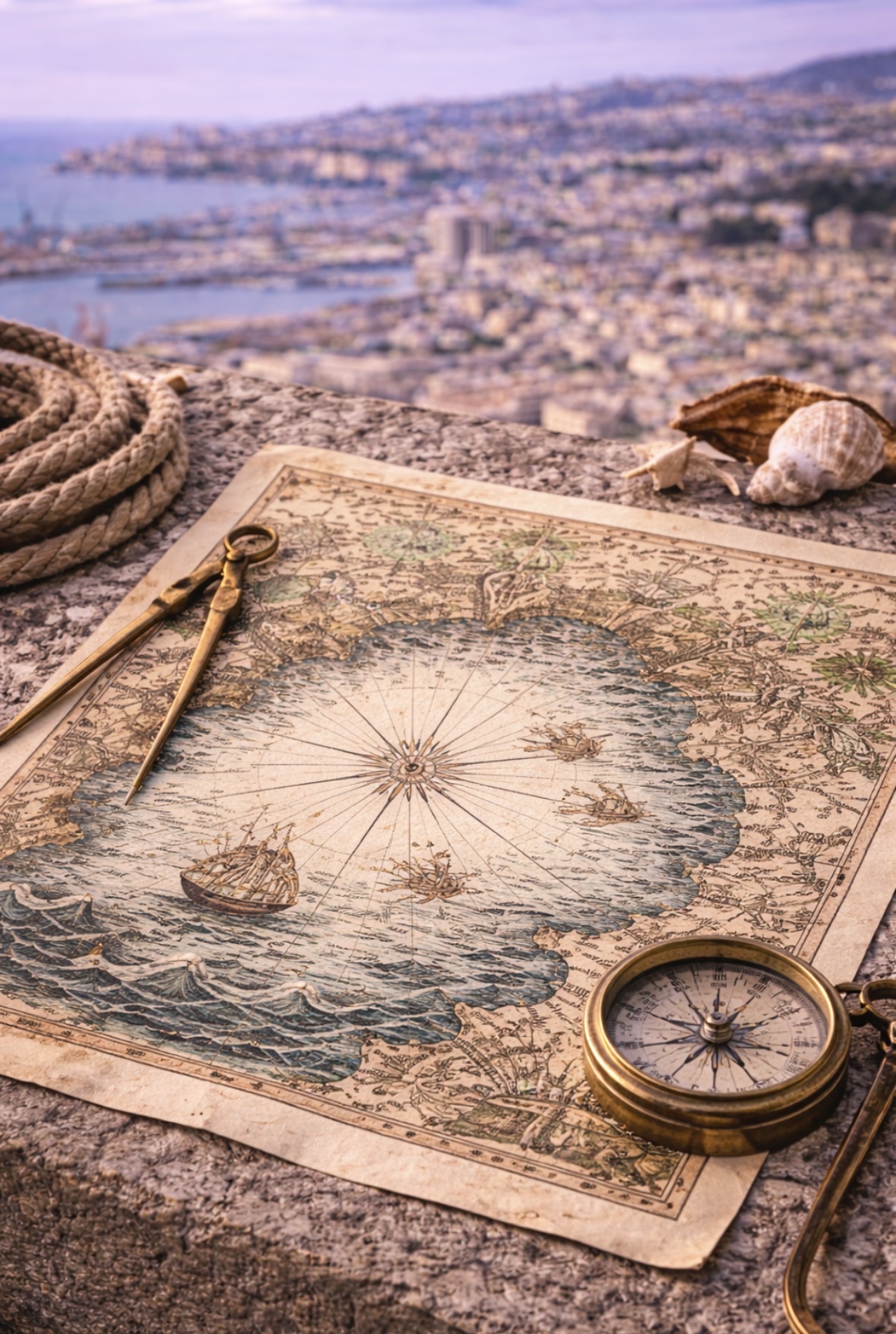
It is a nautical chart or cartographic print depicting the coasts, routes, ports, and seabeds of the Mar Ligure. The lines are technical and precise, designed for navigation rather than decoration. The paper is thick, often slightly yellowed or printed on materials that evoke its original use. It is an object created to be consulted, folded, and marked.
Why it's special
The nautical chart tells the story of a Genova that measures before setting sail. It symbolizes a culture that built its power on knowledge of routes and borders. It speaks of trade, exploration, and carefully considered decisions. Within this object lives the Genovese idea that the world is not faced blindly, but with reliable instruments.
History
Genova was one of the great centers of Mediterranean nautical cartography between the Middle Ages and the early modern era. Ligurian portolan charts were working tools for navigators and merchants, not celebratory images. Built on direct experience of sailing, they combine empirical observation with graphic precision. Over time, these charts became fundamental testimonies of Genovese maritime culture.
Price
€30-€120
Where to find it
Printmaking and engraving workshops Archives and institutions connected to historical cartography Shops specializing in fine paper and art graphics
Discover Nautical chart or historical cartographic print on Trouvenir →
3. Ligurian functional ceramics (bowl, container)
🏺 Craftsmanship
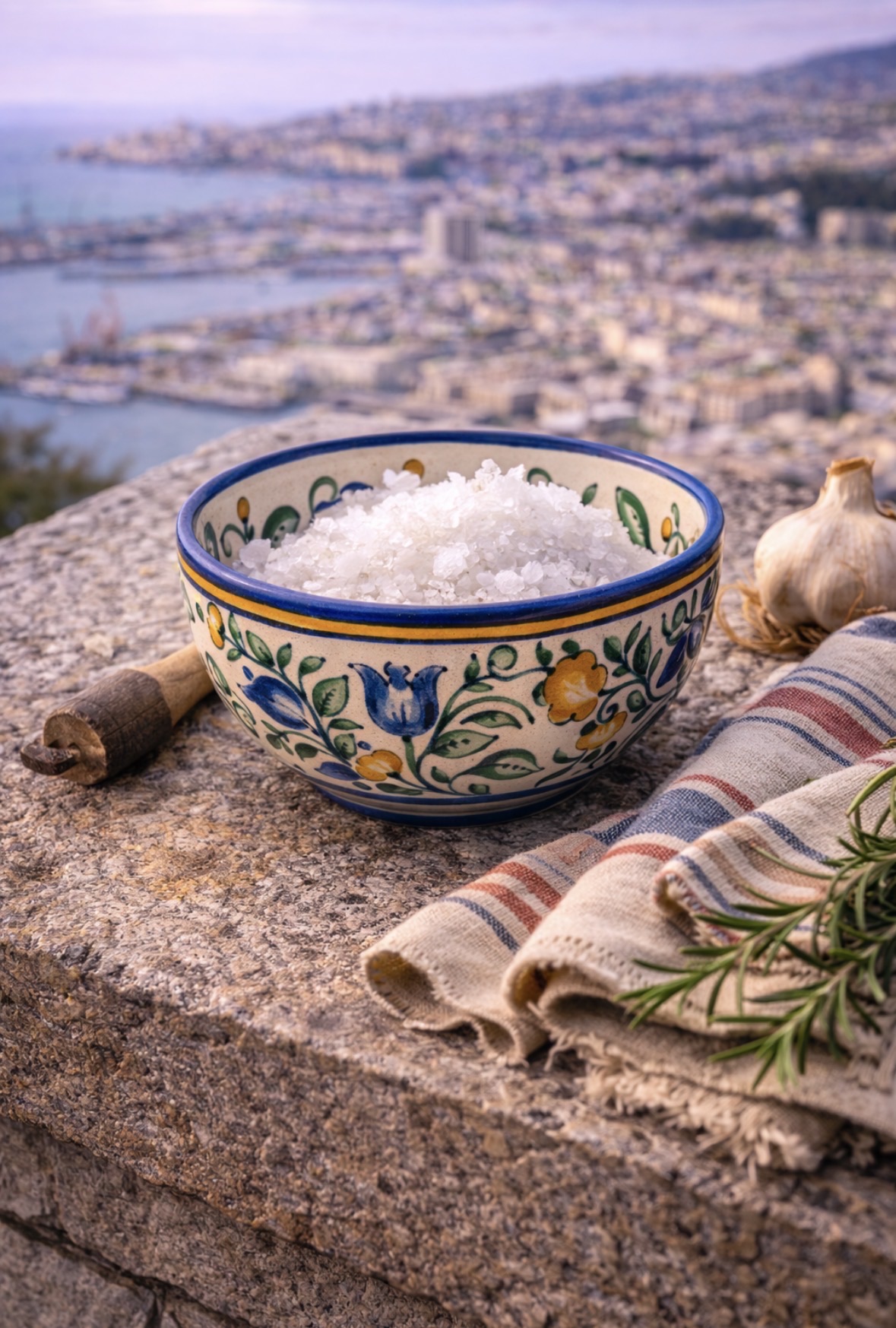
These ceramics are functional, designed for everyday use in the kitchen and pantry. The shapes are simple and stable, with solid rims made to withstand constant use. The glazes are understated, often light or in natural tones, sometimes with slight irregular variations. It is an object created to hold and serve, not to decorate.
Why it's special
Functional ceramics reflect a practical, restrained side of Genova. They symbolize a culture that assigns objects a precise purpose, without unnecessary ornament. They evoke intimate kitchens, repeated gestures, and the continuity of domestic life. Within this object lives the Genovese idea that beauty can coincide with reliability.
History
Ceramic production in Liguria has been documented for centuries, tied to the everyday needs of coastal and urban life. Bowls and containers responded to practical necessities: preserving, measuring, and serving. Over time, their production settled into essential forms adapted for constant use. This tradition shaped a sober aesthetic consistent with the Ligurian character.
Price
€25-€80
Where to find it
Artisanal ceramic workshops Shops dedicated to functional craftsmanship Production settings rooted in Ligurian tradition
Discover Ligurian functional ceramics (bowl, container) on Trouvenir →
4. Genoese marble mortar
🏺 Craftsmanship
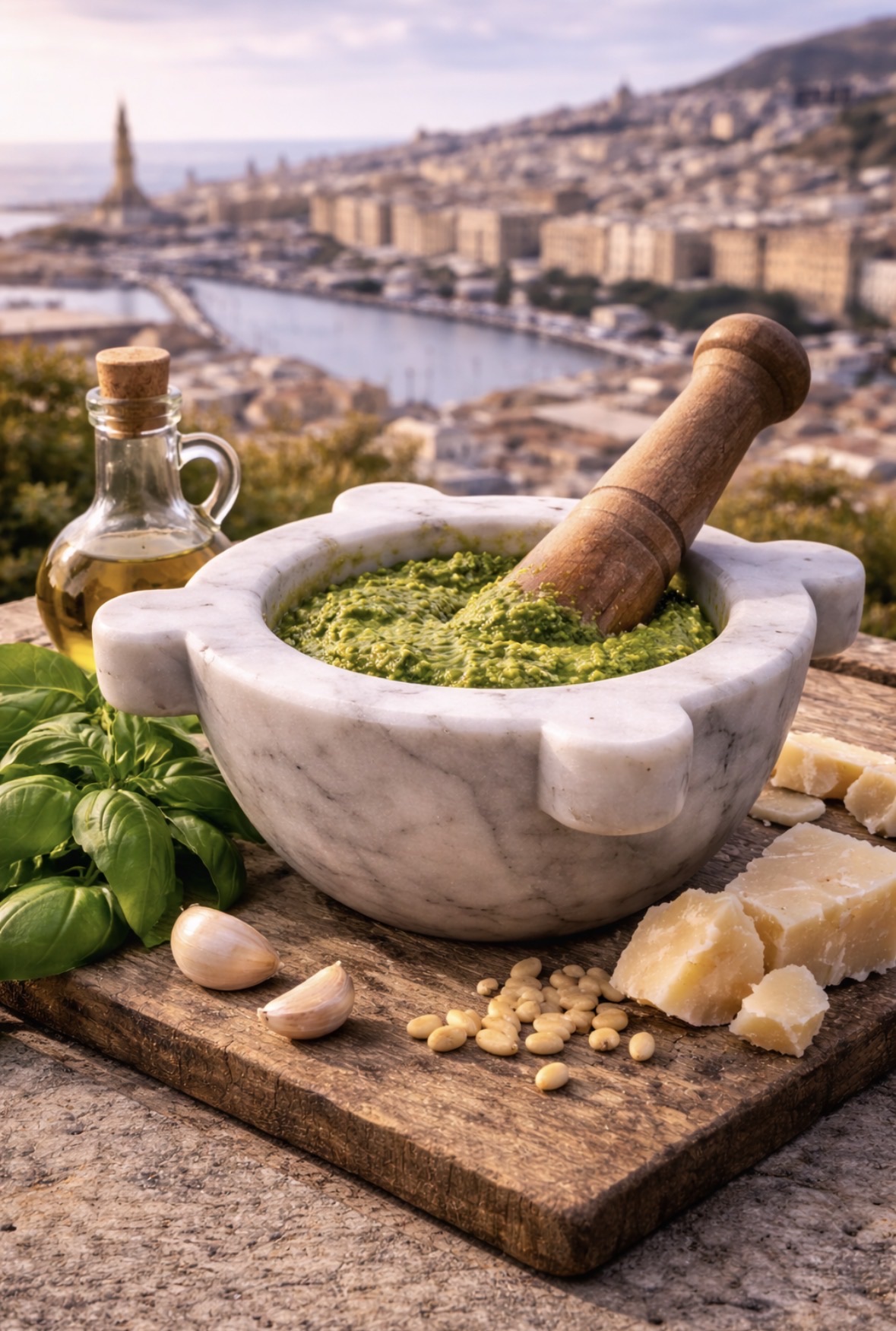
A container made of solid marble, with a smooth interior and rounded shape. It is used together with a pestle, usually made of wood. Its weight ensures stability during use. The surface allows ingredients to be worked gradually.
Why it's special
The mortar represents the central role of manual gesture in Genovese culture. It reflects a mindset based on precision, patience, and control. It tells the story of a cuisine that values the process as much as the result. It connects the object to the continuity of domestic tradition.
History
The use of the mortar has been documented in Ligurian tradition for centuries as a tool for grinding herbs, seeds, and aromatics. In Genova it became essential with the development of pesto, which requires slow and controlled preparation. Marble is chosen for its durability and neutrality. Over time, the mortar has become a lasting symbol of regional gastronomic practice.
Price
€30-€80
Where to find it
Artisan workshops Contexts tied to gastronomic tradition
Discover Genoese marble mortar on Trouvenir →
5. Decorative maritime knot (for home use)
🏺 Craftsmanship
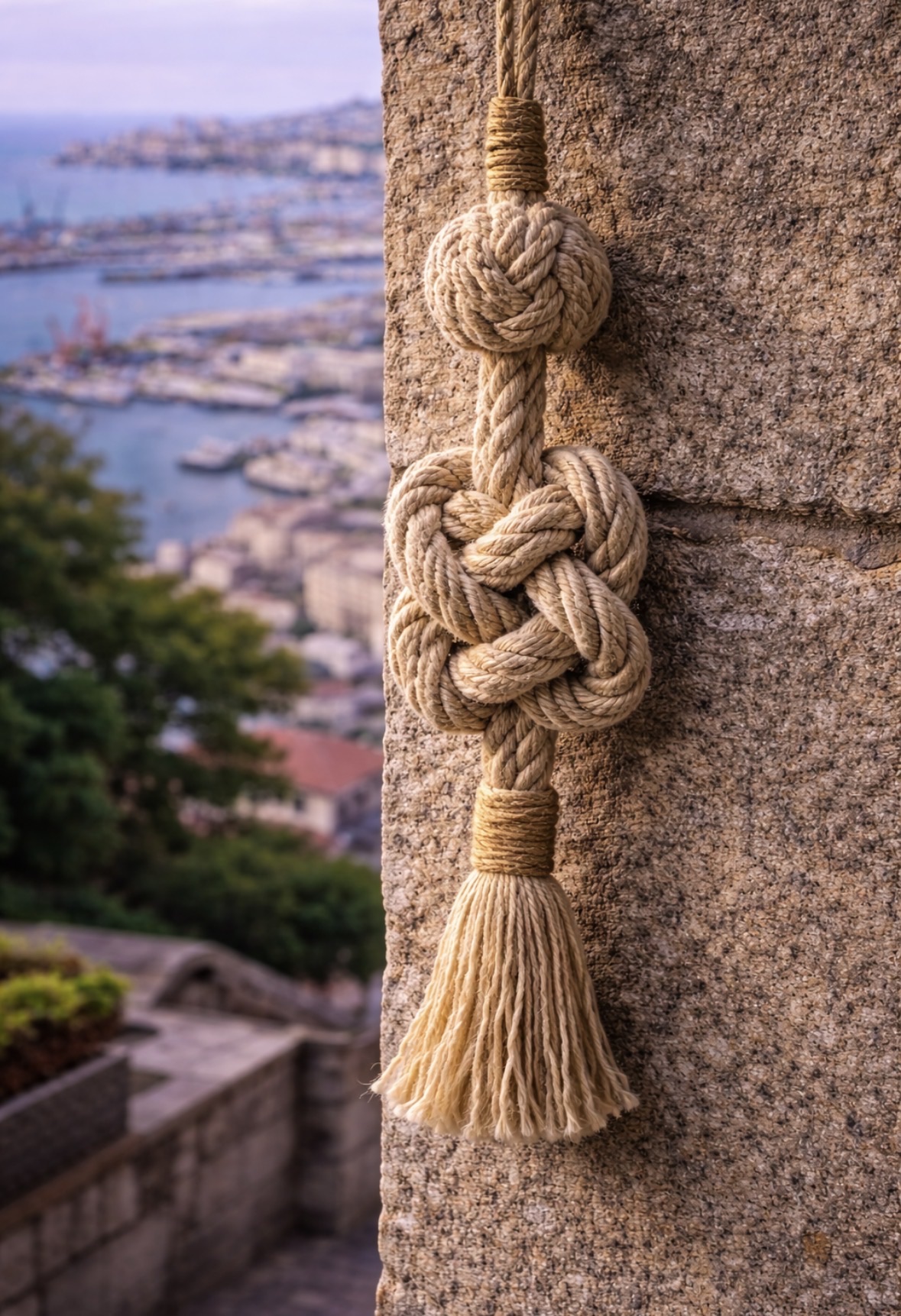
A knot handcrafted with natural‑fiber nautical rope. The shape is closed and compact, designed to maintain tension and order. It did not originate as an ornament: it comes from functional knots adapted for domestic spaces. It can be hung, placed on a surface, or incorporated into small everyday objects.
Why it's special
The knot tells the story of a Genova shaped by ties, control, and precision. It is the symbol of a culture that entrusts everyday safety to technique. It speaks of the sea, but also of domestic interiors, where the knowledge of work is preserved. In this object lives the Genovese idea that what holds things together should not be visible, but reliable.
History
The art of maritime knots has accompanied the history of Genova since the medieval age. Each knot answers a precise function: fastening, joining, supporting. Over time, some knots began to be reproduced off the ship as exercises in memory and manual skill. Their presence in domestic spaces preserves the connection to the sea, even on land.
Price
€15-€45
Where to find it
Craft workshops connected to maritime traditions Port areas and traditional shops Regional spaces dedicated to handmade production
Discover Decorative maritime knot (for home use) on Trouvenir →
6. Genoese maritime devotional object
🏺 Craftsmanship
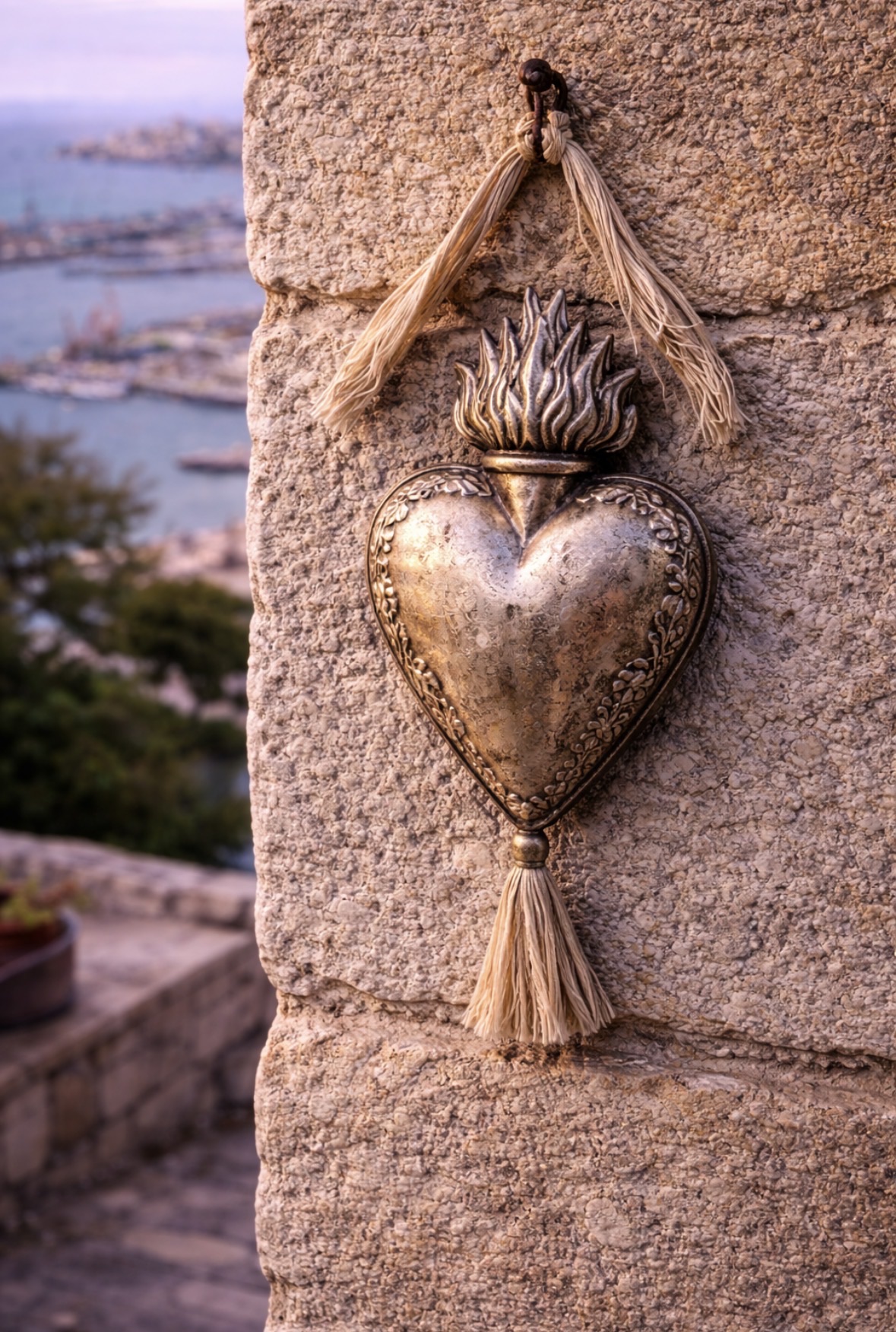
It is a small devotional object linked to life at sea: a nautical cross, a votive plaque, a religious symbol intended for the home or for use on board. Made of metal, wood, or simple materials, it features essential shapes, often marked by use. It is not meant for the altar, but to accompany everyday life. It is an object that exists quietly.
Why it's special
The maritime devotional object tells the story of a Genova exposed to the sea and aware of its limits. It symbolizes a faith born from the concrete experience of danger rather than from representation. It speaks of departures without guarantees, of awaited returns, of protection invoked more than proclaimed. In this object lives the Genoese idea that the sacred accompanies work without interrupting it.
History
Maritime devotion is deeply rooted in the history of Genova, a great port city of the Mediterranean. Sailors and their families entrust their journeys to simple symbols, easy to carry. These objects do not celebrate the event; they pass through it. Over time they have become part of Ligurian material culture, bearing witness to a direct relationship between faith and the sea.
Price
€30-€100
Where to find it
Artisan workshops connected to metal or wood craftsmanship Contexts of popular devotion Cultural spaces linked to maritime tradition
Discover Genoese maritime devotional object on Trouvenir →
7. Traditional Genoese fabric (hemp or cotton)
🏺 Craftsmanship
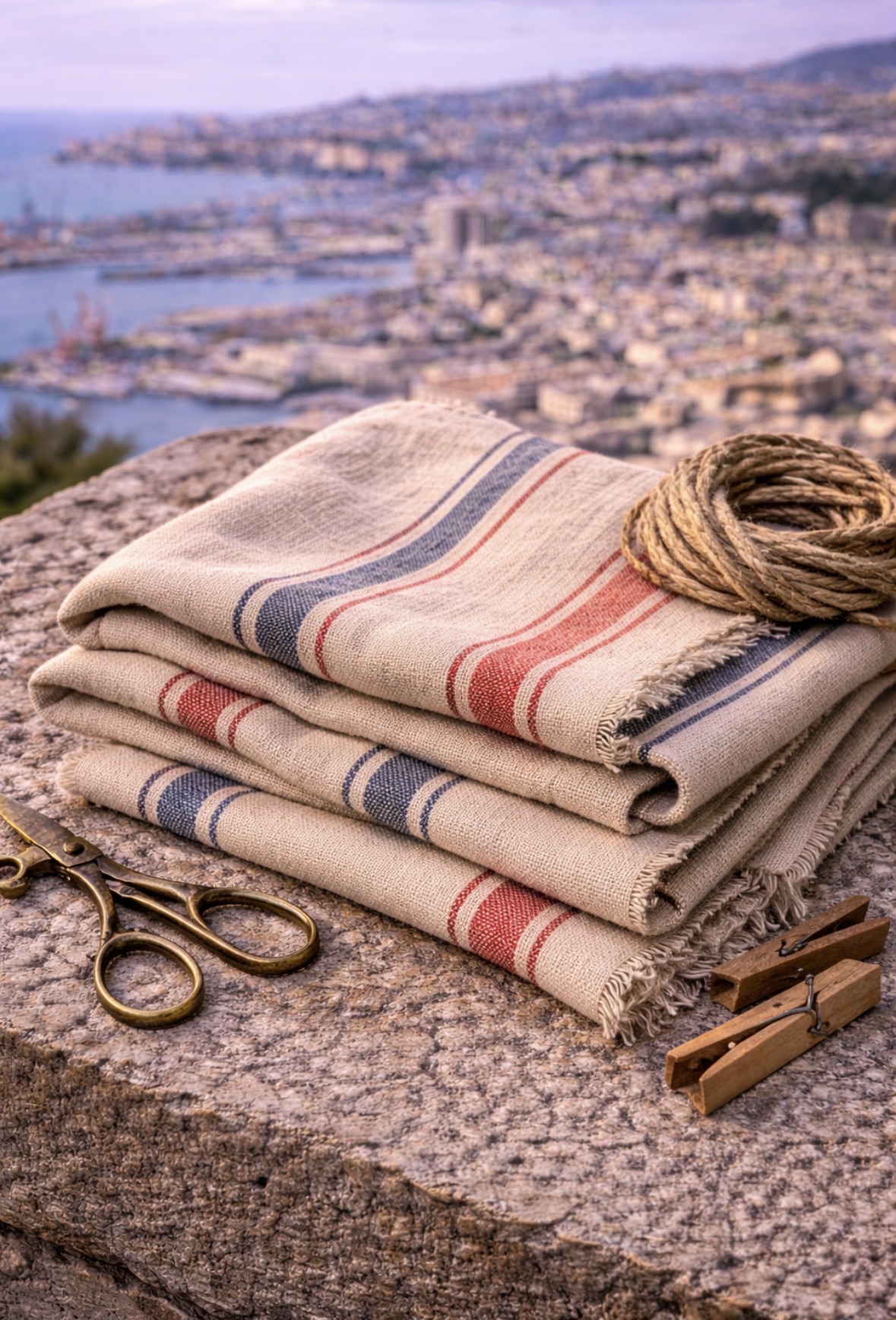
It is a sturdy, tightly woven fabric traditionally made from hemp or cotton. The surface is dry and durable, designed to withstand humidity, friction, and weight. The color is natural or slightly darkened by use.
It originated as a functional material for sails, sacks, coverings, and work garments. It was not meant for decoration, but to endure over time and protect what it contains or covers.
Every fiber reflects a material culture focused on resilience and reliability.
Why it's special
Genoese fabric represents a culture that values solidity and functionality. It is the product of a city that built its identity on trade, navigation, and the ability to operate in demanding environments.
This fabric tells the story of a practical Genova, where materials were essential tools for supporting daily work and ensuring continuity in maritime activities.
History
The production and use of sturdy hemp and cotton fabrics have been documented in Genova since the Middle Ages, connected to the city’s rise as a maritime and commercial power.
These textiles were used for sails, sacks, coverings, and work clothing worn by sailors, dockworkers, and port craftsmen. Their resistance to moisture and tension made them essential for life at sea and within port infrastructure.
The French name of the city, “Gênes”, gave rise to the term “jeans”, a testament to the European spread of Genoese work fabrics.
Price
€25-€70
Where to find it
Textile artisan workshops Contexts linked to port traditions Shops selling work and household materials
Discover Traditional Genoese fabric (hemp or cotton) on Trouvenir →
8. Traditional Ligurian trofie
🏺 Craftsmanship
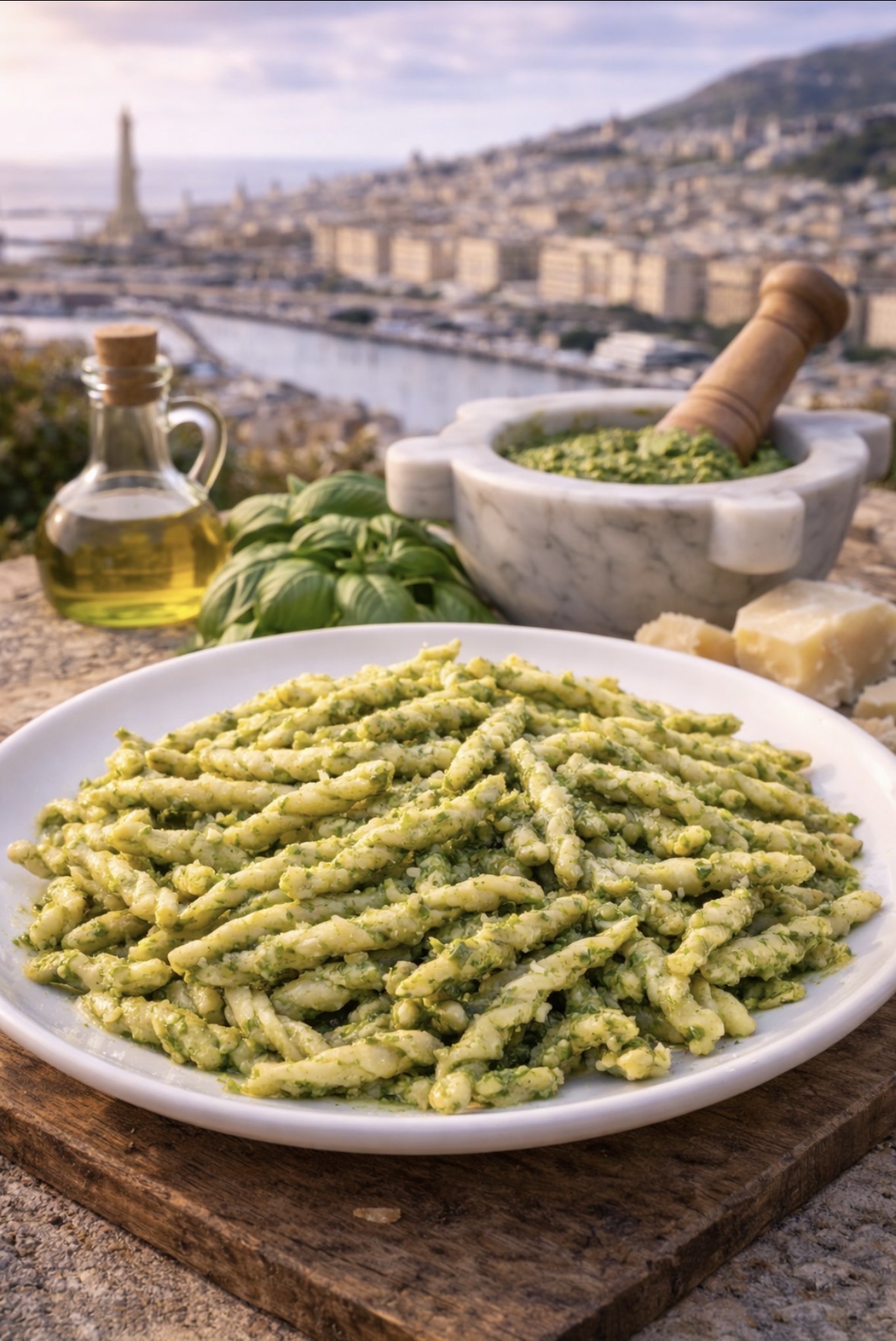
Trofie are a short pasta with an elongated, twisted shape, traditionally made with durum wheat semolina and water. Their compact, slightly rough surface is designed to hold sauces evenly.
The shape comes from a simple, repeated hand movement: a twisting gesture that creates a sturdy and functional structure. The result is an essential pasta, designed to pair perfectly with preparations based on regional herbs and oils.
They are sold fresh or dried and represent one of the most distinctive expressions of the Ligurian culinary tradition.
Why it's special
Trofie embody a food culture based on simplicity, functionality, and coherence between form and use. They are the result of a tradition that values the effectiveness of the gesture and the continuity of domestic practices.
In them one can recognize a practical Genova, where even the simplest elements are designed to carry out their role with precision.
History
Trofie originated in the Liguria di Levante and became firmly established in the Genovese area as a pasta intended for home consumption. Their manual preparation has been documented for centuries in regional kitchens.
Their development is closely tied to the spread of pesto genovese, with which they form a historically established pairing. The twisted shape is not decorative but functional, helping distribute the sauce evenly.
Over time, trofie have become the most representative pasta of the Genovese gastronomic tradition.
Price
€4-€12
Where to find it
Artisan pasta makers These are the most representative places to find fresh trofie, often produced daily using traditional methods.
Historic Genovese delicatessens They sell selected fresh or dried trofie, often together with regional fresh pesto.
Traditional neighborhood grocery shops Small regional stores that maintain the continuity of everyday distribution.
City markets (e.g., Mercato Orientale di Genova) Here trofie are sold fresh by regional producers and food artisans.
Discover Traditional Ligurian trofie on Trouvenir →
9. Salt-cured anchovies from the Mar Ligure
🍽️ Food Specialties
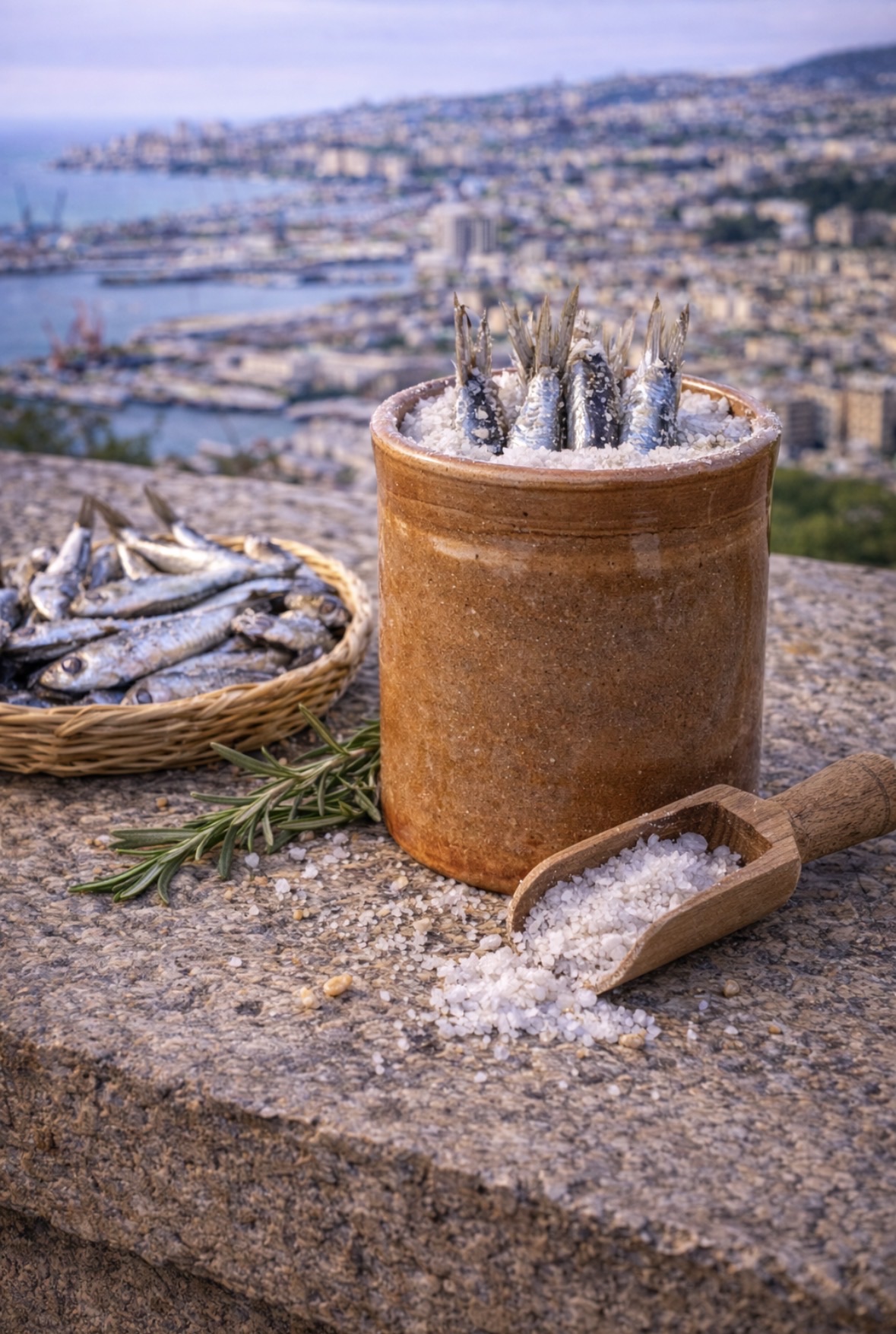
These are fresh anchovies, cleaned by hand and arranged in alternating layers with coarse salt. Preservation happens slowly, without cooking, allowing the fish to mature over time. The flesh becomes firm, savory, and scented with the sea. It is an essential preparation, designed to last and to be used with care.
Why it's special
Salt-cured anchovies tell the story of a practical Genova, accustomed to dealing with scarcity. They are the symbol of a seafaring culture that turns limitations into resources. They speak of ports, boats, and long stretches away from home. In this preserve lives the Genoese idea that value lies not in abundance, but in the ability to make what you have last.
History
Preserving fish in salt has been practiced in Liguria since ancient times, encouraged by the presence of coastal salt pans and a strong maritime tradition. In the Mar Ligure, the anchovy became one of the most widely prepared fish, thanks to its availability and versatility. The salting technique allowed sailors to carry a reliable source of protein during long voyages. Over time, this practice became one of the pillars of Ligurian gastronomic culture.
Price
€15-€40
Where to find it
Traditional preserved-food shops Historic fish markets Places connected with the artisanal processing of fish
Discover Salt-cured anchovies from the Mar Ligure on Trouvenir →
10. Genovese basil, dried or in traditional bunches
🍽️ Food Specialties
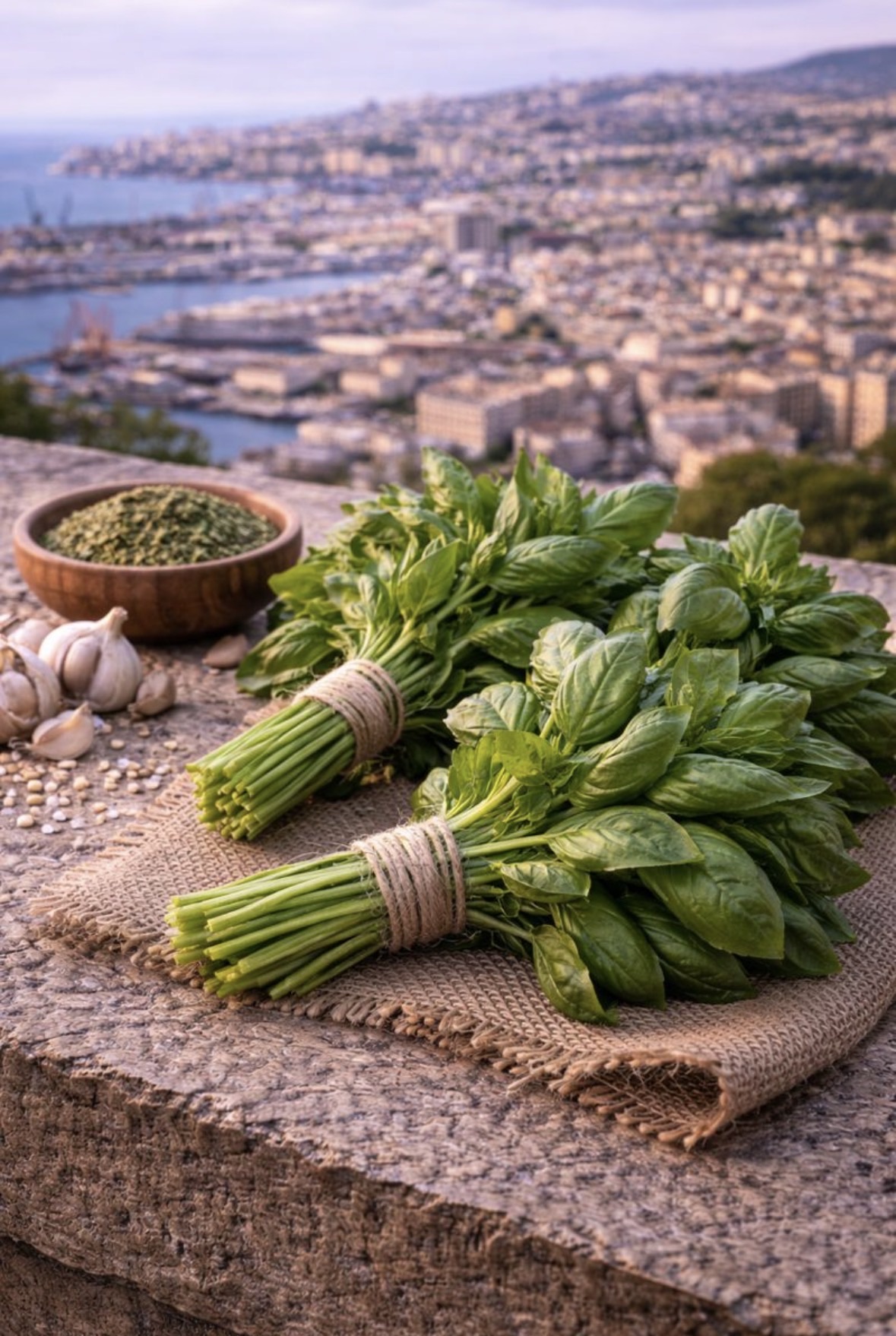
These are basil leaves grown in the Genova area, harvested and tied into small bunches or carefully dried. The aroma is clean and vegetal, without harsh notes. The leaves are thin and delicate, meant to be handled gently rather than crushed. It is a raw ingredient, not a finished product.
Why it's special
Basil tells the story of a Genova shaped by precision. It is the symbol of a culture that entrusts a single ingredient with defining an entire identity. It speaks of balance, restraint, and respect for raw ingredients. In these leaves lives the Genovese idea that character does not need volume, but clarity.
History
The cultivation of basil in Liguria has been documented for centuries, supported by the mild climate and the structure of the terraced hillsides. In the Genova area, basil develops specific characteristics: a delicate aroma, thin leaves, and low acidity. It becomes a central ingredient of regional cuisine, especially for pesto, but also for many everyday preparations. Over time, Genovese basil comes to be recognized as an identity product, closely tied to the territory and its agricultural practices.
Price
€5-€25
Where to find it
City markets Traditional gourmet shops Farming contexts connected to regional production
Discover Genovese basil, dried or in traditional bunches on Trouvenir →
11. Ligurian maritime ex-voto
🍽️ Food Specialties
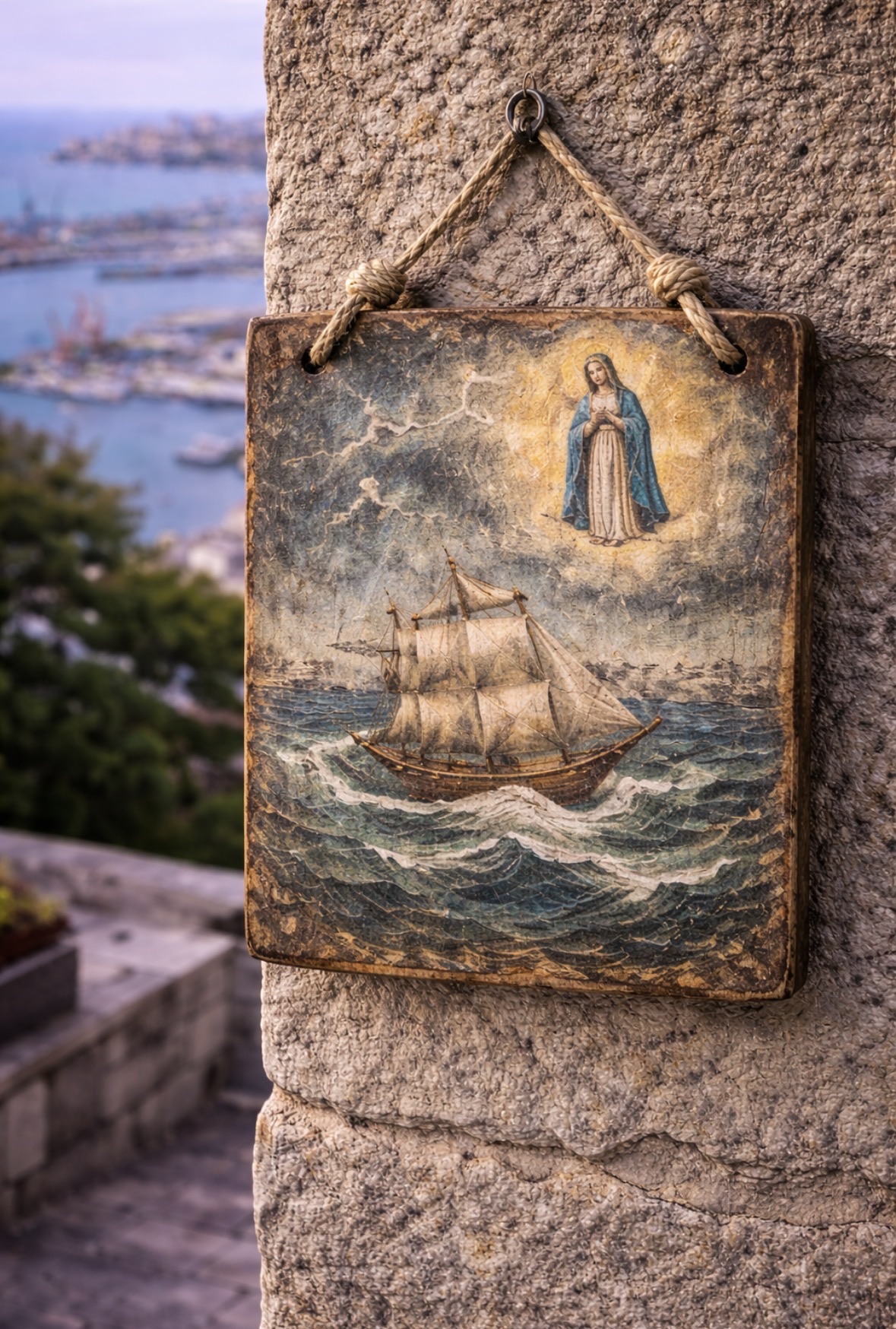
A devotional object made on a wooden tablet or metal support, often hand-painted. It depicts sea scenes: boats, storms, avoided shipwrecks, safe returns to port. The style is direct and narrative, without idealization. It is created to be hung, not to be observed closely for long.
Why it's special
The maritime ex-voto tells the story of a Genova that is exposed, vulnerable, and grounded in reality. It symbolizes a faith born from everyday danger, not from distance. It speaks of sailors, families, and departures without guarantees. In this object lives the Genovese idea that devotion is not rhetoric, but a direct response to the experience of the sea.
History
The tradition of maritime ex-votos has been documented in Liguria since the Middle Ages. Sailors offer them as thanks for escaping danger or for a safe return. The images are not allegorical: they depict the event exactly as it was experienced. In Genova, a major port city, the ex-voto becomes a form of collective emotional chronicle.
Price
€40-€150
Where to find it
Artisan workshops specializing in folk painting Contexts linked to maritime devotion Cultural settings connected to Ligurian port traditions
Discover Ligurian maritime ex-voto on Trouvenir →
12. Genoese focaccia
🍽️ Food Specialties
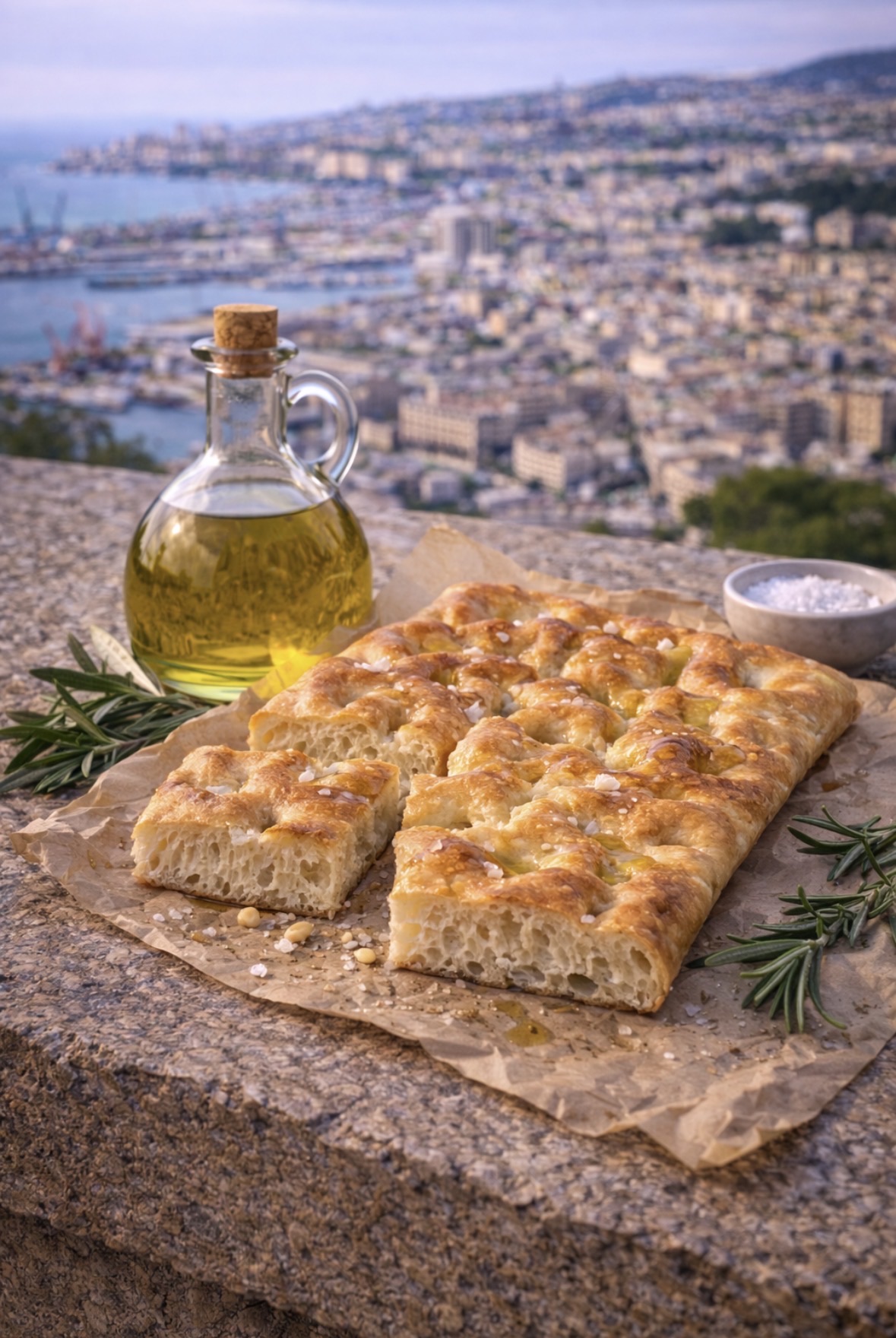
It is a low, flat bread, soft inside and lightly crisp on the surface. The dough is simple: flour, water, yeast, extra-virgin olive oil, and salt. The surface is marked by its characteristic dimples, which hold the emulsion of oil and brine. It is eaten slightly warm or at room temperature, often on its own.
Why it's special
Focaccia reflects a practical, straightforward Genova. It is the symbol of a city that eats when necessary, not when scheduled. It speaks of early mornings, brief breaks, and food that accompanies work. In this bread lives the Genoese idea that nourishment should not distract, but sustain.
History
Focaccia has ancient roots in Liguria, already documented in the medieval period as bread baked in communal ovens. In Genova, a specific version takes shape, characterized by the use of olive oil and the distinctive treatment of the surface. Initially eaten as a simple food for sailors and workers, it gradually becomes part of everyday urban life. Over time it becomes one of the most recognizable symbols of Genoese food culture, without ever losing its primary function.
Price
€5-€15
Where to find it
Traditional bakeries Neighborhood delicatessens Places connected with the daily production of bread
Discover Genoese focaccia on Trouvenir →
More souvenirs not to miss
Genova has much more to offer. Here are the other distinctive souvenirs catalogued by Trouvenir:
- Liguria extra virgin olive oil (Genoese area) — 🍽️ Food Specialties · €5-€25
- Traditional Pesto Genovese — 🍽️ Food Specialties
How to recognise a typical souvenir in Genova
Typical products from Genova are found in artisan workshops, neighbourhood markets, and directly from producers — not in tourist shops in the city centre.
Practical rule
if a product has no indication of origin, producer, or production method, it's probably not what it seems.
Use Trouvenir to find certified workshops near you, with details on products, prices, and provenance.